Train to Mountain was founded by Jakob Ulcnik, a mountain athlete based in the Netherlands. After years of training for alpine climbing and high-altitude mountaineering revealed that no existing platform actually measured readiness for a specific peak, Jakob built the personalised mountaineering training app he could not find.
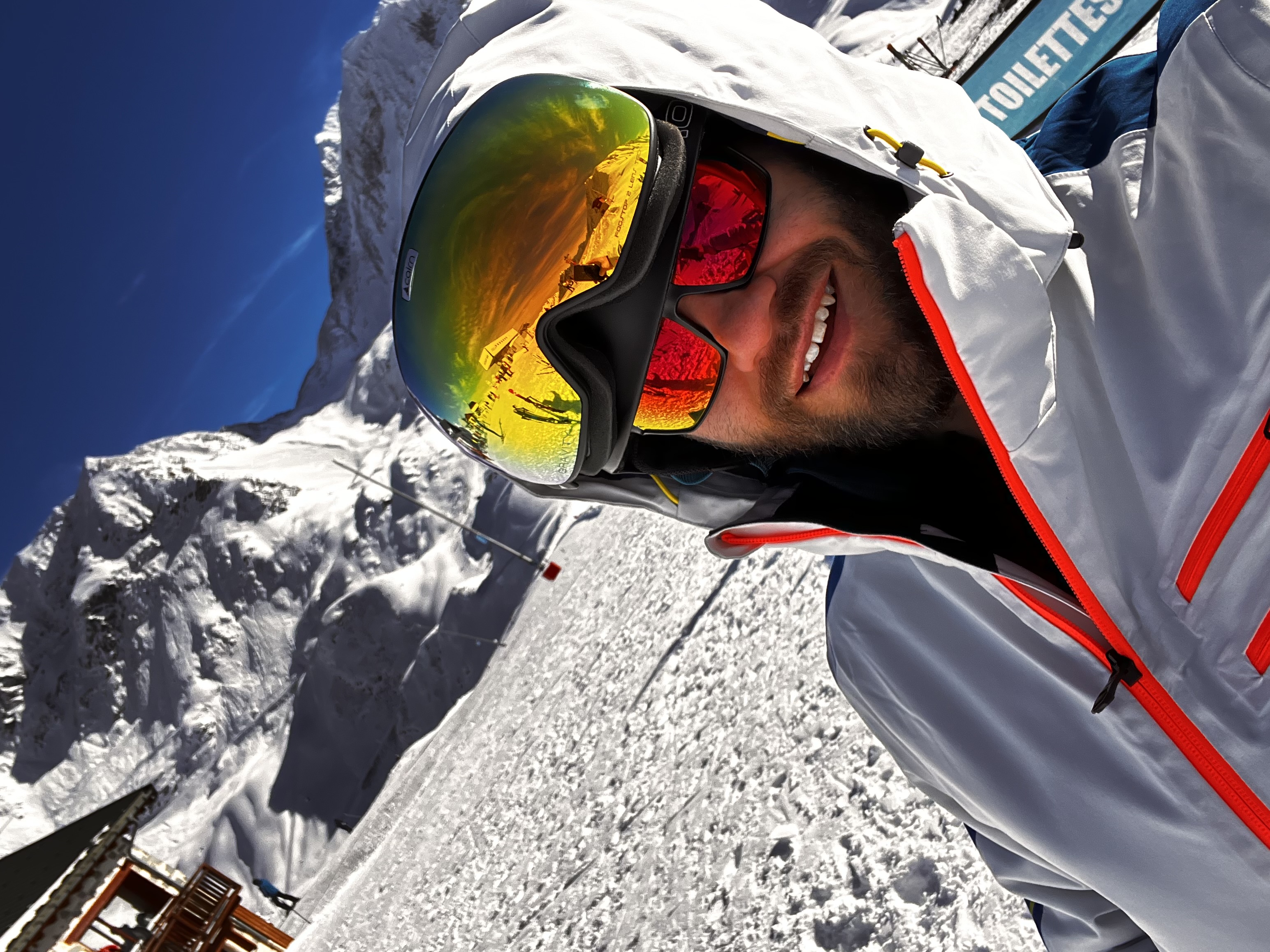
My name is Jakob and I'm a mountain athlete. Like many people who pursue alpine climbing and high-altitude mountaineering, I've spent years building strength, endurance, and technical skill. I've logged thousands of vertical meters. I've trained periodically, tracked my Chronic Training Load (CTL), optimized my Acute Training Load (ATL). I did everything right - or so I thought.
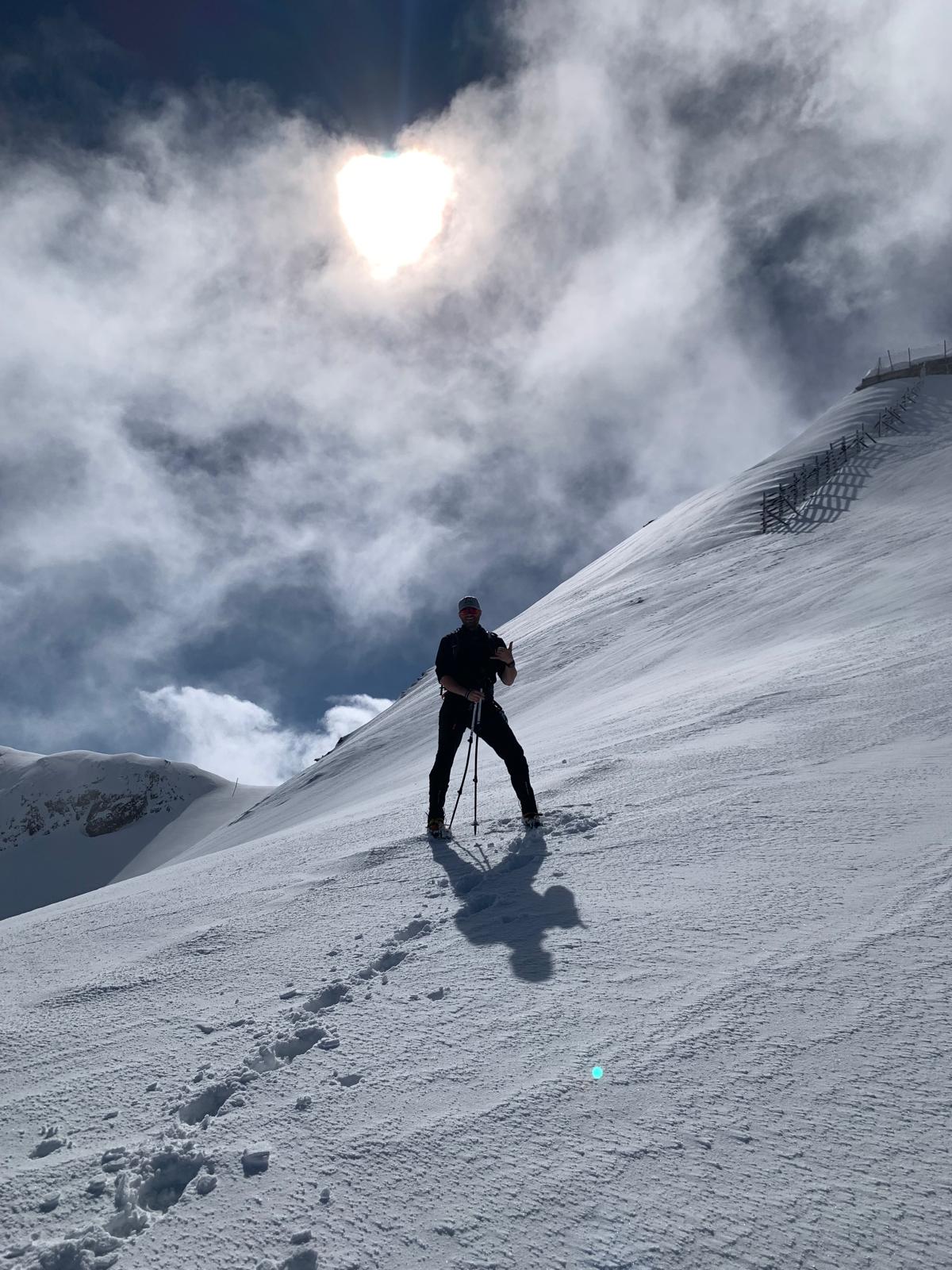
But when I arrived at altitude for my objective, I wasn't ready. Not because I hadn't trained hard enough. I'd trained harder than ever before. The problem was different: I didn't actually know if I was cardiovascularly prepared for the specific altitude and duration of my climb. I had data scattered across different platforms - my Garmin tracked metrics, various apps logged my sessions, a spreadsheet held my plan. None of them actually understood whether I had the VO₂max, the aerobic base, the Acute Training Load (ATL) resilience, or the Training Stress Balance (TSB) profile to succeed at the altitude I was targeting.
I looked at every tool available to mountain athletes. Endurance training platforms are powerful - but they're built for cyclists and triathletes working with coaches. They don't understand altitude physiology or mountain-specific demands. Mountain-specific coaching platforms have excellent methodology rooted in solid exercise science - but the training is rigid, template-based, with no adaptive engine. General fitness and activity trackers don't even attempt to model readiness. They're logbooks, not intelligence systems.
The insight came when I realized something that changed everything: The science already exists. The Banister fitness-fatigue model has existed since 1975 (with sex-specific coefficients added in the 1991 validation). We understand VO₂max decline at altitude. We know how Chronic Training Load (CTL), Acute Training Load (ATL), and Training Stress Balance (TSB) predict athletic performance. We can model the Summit Readiness Score (SRS) - the probability of success at your specific objective altitude and duration. What was missing wasn't research. It was a platform built for mountain athletes that integrated real wearable data, applied altitude-specific exercise science, and made it conversational and adaptive instead of rigid.
So I built the tool I wished had existed: Train to Mountain. Not another training app. A unified training intelligence system that understands what it actually takes to arrive at altitude ready. Shaped by the physiology of altitude, and designed from the ground up for mountain athletes like you and me.