Start mountaineering on a budget by spending in the right order: train for free at home and on stairs, join a mountaineering club for insurance, cheaper huts and partners, learn crampon, ice axe and glacier skills on a club or short guided course, rent technical gear for your first seasons, and choose a first peak close to home. Never cut skills, insurance or safety gear.
Where the money actually goes
Most of the cost of a first mountain is not the mountain. It is the guide or course, the technical gear, the insurance, and the travel and lodging around it. A guided six-day Mont Blanc course from Chamonix lists at EUR 3,260 before you have rented a single crampon. That number is what scares people off. The good news is that only some of those costs are fixed, and the order you spend in matters more than the total.
The rule for a tight budget is simple: never save on the things that keep you alive (skills, a safe partner or guide, insurance, working safety gear), and save hard on everything else.
Step 1: Train for free
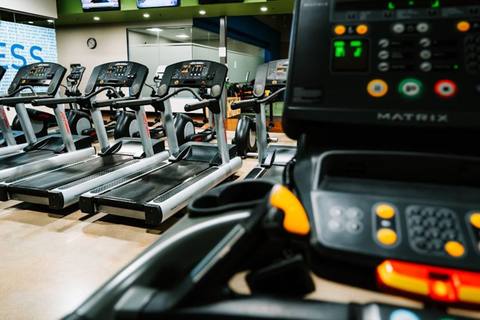
Fitness is the one part you can build for almost nothing: stairs, a loaded pack and bodyweight strength cover most of what a first alpine peak asks of your legs and lungs. The stair workout, box step ups and muscular endurance exercises give the sessions, and the training without mountains guide puts them into a plan. Arriving fit is also the biggest saving on a guided trip: a course you can finish is cheaper than one you pay for twice. The rest of this guide is about the parts that cost real money.
Step 2: Join a club before you pay a guide
A mountaineering club is the best value in the sport. Membership often bundles three things a beginner needs anyway: insurance, cheaper huts, and people to learn from and climb with.
One example: full adult membership of the Austrian Alpine Club UK section costs GBP 68 a year. It includes rescue and repatriation insurance, and members pay reduced bed charges of up to EUR 10 per night in Austrian and German Alpine Club huts, with reciprocal rights in the huts of the Swiss, Italian, French and other member federations. Over a week of hut nights the discount alone can cover a large part of the fee. Check exactly what any club's insurance covers (height limits, activities, rescue only or medical too) before you rely on it.
Clubs in most countries also run meets and courses led by volunteers, which is where the next step comes in.
Step 3: Learn the skills on a course
Skills are the part you cannot skip. Crampon and ice axe technique, roped glacier travel and crevasse rescue are what make a glaciated peak safe, and you learn them from people who know them, not from videos. You have two routes:
- Volunteer-run club courses. Cheapest per day of instruction, but slower. The Mountaineers' Basic Climbing Course in Bellingham listed USD 1,050 for members (USD 1,250 for guests) for its 2025 season: lectures plus field trips on rock, snow and glacier spread from January to October. The listing is honest that students should still expect to spend at least USD 500 on gear, and the club offers need-based scholarships.
- Short professional courses. Faster, more expensive per day. In the UK, a two-day Alpine preparation course at Plas y Brenin costs about GBP 360. A guided skills course in the Alps costs more but often ends on a real summit.
Either way, learn the skills first and pay for the big guided objective second. A guide's day is far better value when you already know how to walk in crampons.
Step 4: Rent the technical gear, buy the clothing
Technical gear is where beginners waste the most money, buying boots and crampons for a peak before they know what they will climb next. Rent it for the first season or two:
- A full mountaineering kit for a Rainier climb rents for around USD 450.
- Seven days of mountaineering equipment in Chamonix rent for about EUR 280.
Buy what you will use on every walk anyway: base layers, a warm mid layer, a waterproof shell, gloves, a hat and a pack. Those cross over from hiking and get used every week of training.
On second-hand gear: used clothing, packs and many axes are fine if you can inspect them. Do not buy second-hand harnesses, slings or ropes. Manufacturers set a maximum service life for textile safety gear, and you cannot know how a used one was stored, loaded or exposed to chemicals.
Step 5: Pick a first peak that fits your wallet
Where you climb changes the bill more than anything else. A peak you can reach by train and a two-day hut route costs a fraction of one that needs flights, a week of valley hotels and a long guided programme. A few ways to keep a first objective cheap:
- Climb close to home. On a guided Mont Blanc week from Amsterdam, flights, transfers and six nights of Chamonix lodging and food come to roughly USD 1,200 of a trip of about USD 5,700. A nearer range with a smaller peak teaches the same skills without that line.
- Sleep in huts or camp. With club membership, hut nights get cheaper still, and you start closer to the summit.
- Go in a club rope team. Once you have the skills, climbing with experienced club partners replaces the guide fee, the single largest line on most first-summit budgets.
- Insure properly, once. An annual policy that covers mountaineering, such as BMC Alpine and Ski insurance at about GBP 110, or club insurance, is cheaper than buying cover trip by trip, and it is the one line you must never cut.
A realistic first-year budget order
- Months 1 to 3: train at home and on stairs. Cost: close to zero.
- Month 2: join a club. Cost: a club fee, which usually includes insurance.
- Months 3 to 6: a skills course, club or professional. Cost: the largest line of the year.
- Season one: a first peak with rented technical gear, in a club team or with a guide. Cost: travel, huts, rental.
- After season one: buy the boots and crampons you now know you need.
The free part, done properly
Fitness is the part of mountaineering you control at home. Train to Mountain builds a week-by-week plan around your exact peak and date, using stairs, a pack and the gym you already have, and rebuilds it every Sunday from what you actually did. Start with the free Summit Check to see where you stand, or pick your peak.
The takeaway
Mountaineering on a budget is about order, not shortcuts. Train for free, join a club for insurance, huts and partners, learn the skills on a course, rent the technical gear, and pick a first peak close to home. Spend on safety, save on everything else.
Common questions
Can you start mountaineering on a budget?
Yes, if you spend on the things that keep you safe and save on everything else. Train for free at home, join a mountaineering club for its insurance, courses and partners, rent the technical gear for your first seasons, and learn the skills on a club or short guided course before you pay for a big guided summit.
What is the cheapest way to learn mountaineering skills?
A volunteer-run club course is usually the cheapest route to real skills. For example, The Mountaineers' Basic Climbing Course in Bellingham, Washington, listed USD 1,050 for members for its 2025 season, covering a season of lectures and field trips on rock, snow and glacier. Courses run by professional guides cost more per day but take less time.
Should I buy or rent mountaineering gear as a beginner?
Rent the technical kit (mountaineering boots, crampons, ice axe, harness, helmet) for your first season or two, and buy the clothing you will use on every hike anyway. Renting a full kit costs around USD 450 for a Rainier climb or EUR 280 for seven days in Chamonix, a fraction of buying new.
Is second-hand mountaineering gear safe?
Some of it. Clothing, packs and many ice axes are fine to buy used if you can inspect them. Avoid second-hand textile safety gear such as harnesses, slings and ropes: manufacturers set a maximum service life for them, and you cannot know how a used one was stored, loaded or exposed to chemicals.
How much does it cost to join a mountaineering club?
It depends on the club and the country. As one example, full adult membership of the Austrian Alpine Club UK section costs GBP 68 a year and includes rescue and repatriation insurance and reduced bed charges of up to EUR 10 per night in Austrian and German Alpine Club huts.
Do I need a guide for my first mountain?
For a first glaciated peak, a guide or a club rope team with experienced leaders is the safe choice. What you can skip is paying a guide to teach you fitness: arrive trained, and a guided course spends its days on skills and the summit instead of on recovering.