There are seven ways people prepare for a mountain or a trek: endurance-sport training platforms, running and watch apps, static digital plans, mountain-specific programmes, 1:1 coaches, building a plan with ChatGPT, and Train to Mountain. Each does something well and none does everything. Train to Mountain is built for one job: a personalised plan for a specific peak or trek and date that adapts every week to the training you actually did.
The seven options at a glance
There is a lot of good training technology. There is technology for running, for cycling, for mapping trails, for counting sleep. Most of it was not built for a long day of climbing with a pack, or for ten days of walking in a row. Here is how the options compare when the goal is a mountain or a trek.
| Option | Does well | Misses for a mountain or trek | Best if |
|---|---|---|---|
| Endurance-sport training platforms | Deep load and fitness analytics, structured workouts, coach tools | Plan around a race day; vertical, pack weight, the descent and back-to-back trek days are not part of the model | You race on the road or a bike and a coach drives the plan |
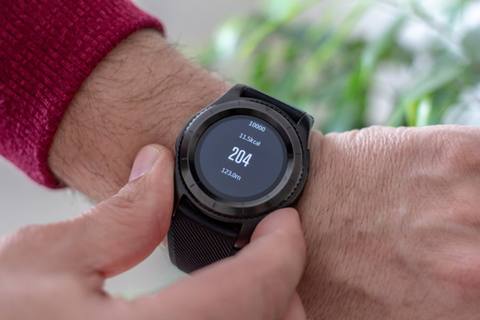
| Running and watch apps | Great tracking, free or cheap, good running plans | Track the past more than they plan a mountain; plans target distance and pace, not a summit day | You want to log training and build a running base |
| Static digital plans (PDF, e-book) | Cheap, often written by experienced mountain people | Cannot change: a missed week or a cold and the plan carries on as written | You are consistent and confident adjusting a plan yourself |
| Mountain-specific programmes | Mountain-literate content and exercises | Usually a fixed programme or a coach on top; adapting to your data is manual or costs extra | You want mountain expertise and do not mind fixed structure |
| 1:1 coach | Human judgement, accountability, technical and expedition experience | The most expensive option, and only as good as the coach and how often they check in | Technical routes, 8,000 m expeditions, complicated injury history |
| DIY with ChatGPT | Free, fast, flexible | Does not read your watch, check safe load limits or rebuild the week unless you do the work | You enjoy being your own coach |
| Train to Mountain | A plan built from your objective's demands, recalibrated every Sunday from your watch, with descent and multi-day work built in | Not for technical 8,000 m expeditions, not a technical skills course, iPhone and web only | You have a specific peak or trek and want the plan to adapt for you |
No option wins everywhere, including ours. The rest of this guide explains each one, who it suits, and where it falls short.
What a mountain or a trek actually asks for
The useful test for any option is whether it trains the things that decide how the day goes. For a summit, that is hours of climbing, a loaded pack, and a long descent on legs that are already tired. For a trek, it is the same work repeated day after day, with the hardest day often near the end.
Most of that is easy aerobic work, with a small share of hard sessions (Seiler & Kjerland, 2006). The descent is eccentric loading, which causes more muscle damage than climbing and needs to be trained on purpose (LaStayo et al., 2003). And the plan has to fit a real life, so it has to cope with missed weeks. Keep those four things in mind as you read the options.
Option by option, honestly
1. Endurance-sport training platforms
Built for cyclists, triathletes and runners, often with a coach in the loop. Good at: serious load and fitness analytics and structured workouts. Misses: they are shaped around a race day. Vertical gain, pack weight, the descent and consecutive trek days are not what the model measures, so you or your coach translate everything.
2. Running and watch apps
The app that came with your watch, or a running plan app. Good at: tracking, recovery signals and running plans, often free. Misses: they record what you did more than they plan what a mountain needs. A 10 km plan is not a summit-day plan.
3. Static digital plans
A PDF or e-book with 12 to 24 weeks of sessions. Good at: cheap, and the better ones are written by experienced mountain people. Misses: they are only plans. They do not know you missed a week, caught a cold or started fitter than they assumed.
4. Mountain-specific programmes
Training built specifically for alpine climbing and mountaineering. Good at: mountain-literate content, sensible exercises and real expertise. Misses: they are usually a fixed programme, or a coach layered on top at extra cost. Adapting the plan to your actual data is still manual.
5. A 1:1 coach
A person who writes and adjusts your plan. Good at: judgement, accountability, and experience with technical routes and expeditions. Nothing replaces that for hard objectives. Misses: it is the most expensive option, and the plan is only as current as the coach's last check-in.
6. Building a plan with ChatGPT
Asking an AI chat to write your plan. Good at: free, fast and flexible. Misses: it does not read your watch, check weekly load against safe limits, or rebuild next week when life happens, unless you feed it everything. You become the coach.
7. Train to Mountain
The personalised mountaineering and trekking training app. Good at: it starts from your objective, a peak or a trek and a date, and builds the plan backwards from what that objective demands. It reads Garmin, Coros, Suunto, Polar and Apple Health, lets recovery decide how hard each day is, and recalibrates every Sunday against the training you actually did. Descent and multi-day work are part of the plan, and every plan is checked against safety rules for load before you see it. Misses: see the next section.
Where Train to Mountain is not the right choice
Being clear about this matters more than winning every comparison.
- Technical 8,000 m (26,200 ft) expeditions. We build for mountaineering objectives in the 3,000 to 5,000 m (9,800 to 16,400 ft) range, higher trekking peaks and multi-day treks. Big Himalayan expeditions need a specialist coach and team.
- Mountain craft. We train the body, and with it the mind: committing to the plan week after week and sustaining the work builds the resilience to keep going on the mountain. Glacier travel, crampons, ropework and route finding still come from courses and certified guides.
- Hard technical rock and ice grades. Climbing-specific finger and power training is a different discipline.
- Injury rehab. If you are coming back from an injury, a physiotherapist leads and the plan follows.
- No objective yet. The plan is built backwards from a date. Without one, a general fitness or running app may suit you better for now.
- Android. There is an iPhone app and a web app; there is no Android app yet.
How to choose
- You have a peak or a trek and a date, and you want the plan to adapt for you: Train to Mountain.
- The route is technical, the mountain is very high, or your history is complicated: a 1:1 coach.
- You are disciplined and enjoy adjusting things yourself: a static plan or a mountain-specific programme.
- You mainly want to track runs and rides: your watch app or an endurance platform.
- You are not sure how far you are from ready: start with the free Summit Check, or Trek Check for a trek. A few minutes, no signup.
Many people combine options: a watch app for tracking, a plan for structure, and a guide for the mountain itself. That is fine. The mistake is assuming a tool built for another sport will prepare you for this one.

One tool that joins the mountain and the data
Train to Mountain was built because the pieces existed separately: watches that measure, plans that do not adapt, and apps built for other sports. It brings them together for one job, getting you ready for a specific peak or trek. See how it works, the science behind it, or the trekking track.
Pick the tool that matches the job. If the job is a specific mountain or trek on a specific date, train for that, not for a neighbouring sport.
Common questions
What is the best training app for mountaineering?
It depends on what you need. For a specific peak or trek with a date, you want a plan built from that objective's demands that adapts to the training you actually do, which is what Train to Mountain is built for. For technical or very high objectives, a human coach is the better choice. For tracking runs and rides, the app that came with your watch is fine. No single option is best for everyone.
Is a running app enough to train for a trek or a mountain?
Not on its own. Running apps build an aerobic base, which matters, but they plan around distance and pace on flat or rolling ground. A trek or a summit day asks for hours of climbing with a pack, a long descent on tired legs and, on a trek, several hard days in a row. You need to add vertical, load and descent work that a running plan does not schedule.
Are PDF mountaineering training plans worth it?
They can be. A good static plan is cheap and often written by people who know the mountains. The limit is that it cannot change: if you miss a week, get sick or start fitter or weaker than the plan assumes, it carries on as written. It works best if you are consistent and confident adjusting it yourself.
Do I need a coach for mountaineering?
Not always. A 1:1 coach is worth it for technical routes, very high or long expeditions, a complicated injury history, or if you want a person to hold you accountable. For a 3,000 to 5,000 m (9,800 to 16,400 ft) peak or a multi-day trek with a clear date, a personalised plan that adapts to your data covers most of what you need for much less money.
Can ChatGPT build my mountaineering training plan?
It can write a reasonable starting plan, and it is free. What it does not do on its own is read your watch, notice that you missed Thursday, check the plan against safe limits for weekly load, or rebuild the next week for you. You become the coach who keeps feeding it the data.
Does Train to Mountain work for 8,000 m expeditions?
No. Train to Mountain is built for mountaineering objectives in the 3,000 to 5,000 m (9,800 to 16,400 ft) range, higher trekking peaks, and multi-day treks such as Kilimanjaro and Everest Base Camp. Technical 8,000 m (26,200 ft) expeditions need a specialist coach and expedition team.
Can one app train me for both a trek and a climb?
Train to Mountain does, because it treats each objective by its own shape. A climb is planned around one long summit day; a trek is planned around its stages, its hardest day and the days in a row. You pick the objective and the date, and the plan follows that shape.