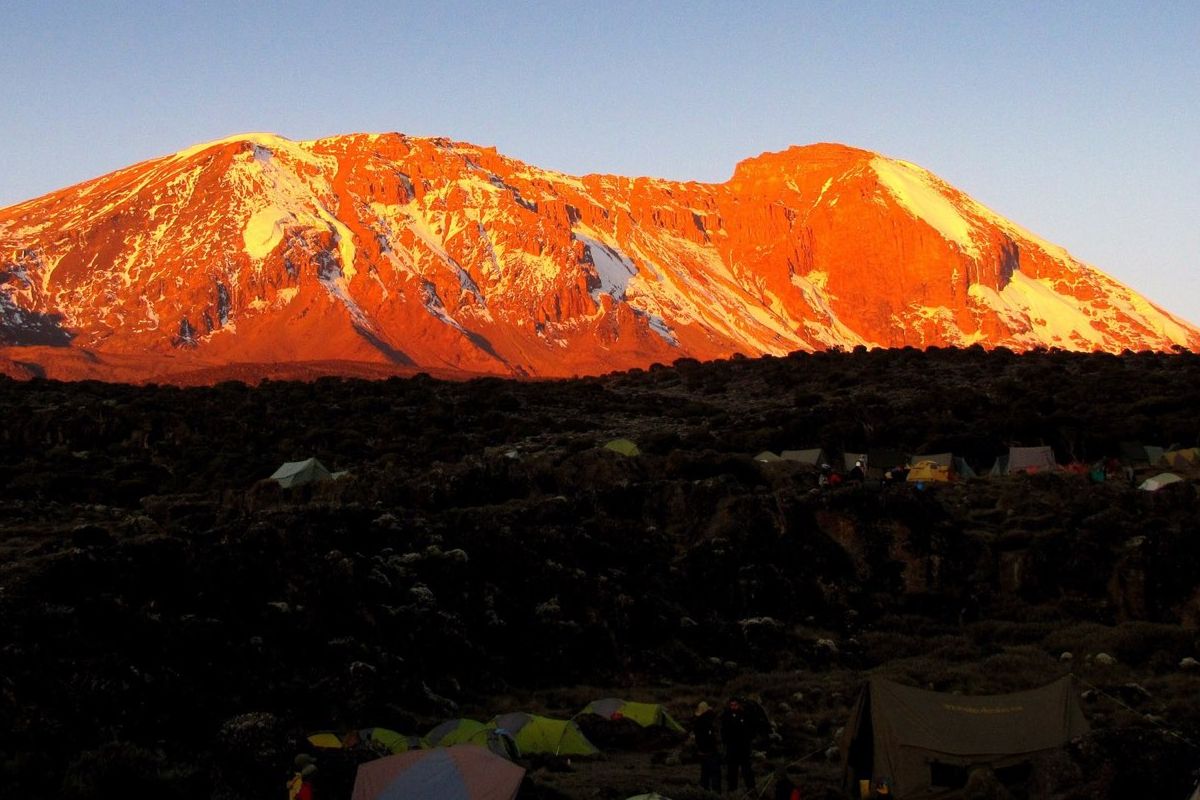
How Hard Is Kilimanjaro?
Not technical, still one of the hardest single days in mainstream trekking. Summit night hour by hour, which route is hardest, Kilimanjaro vs Everest Base Camp, and how to train for it.

How to Use Trekking Poles Properly
Length, straps, technique for the climb and the descent, and what the research says poles do for your knees on a long way down.
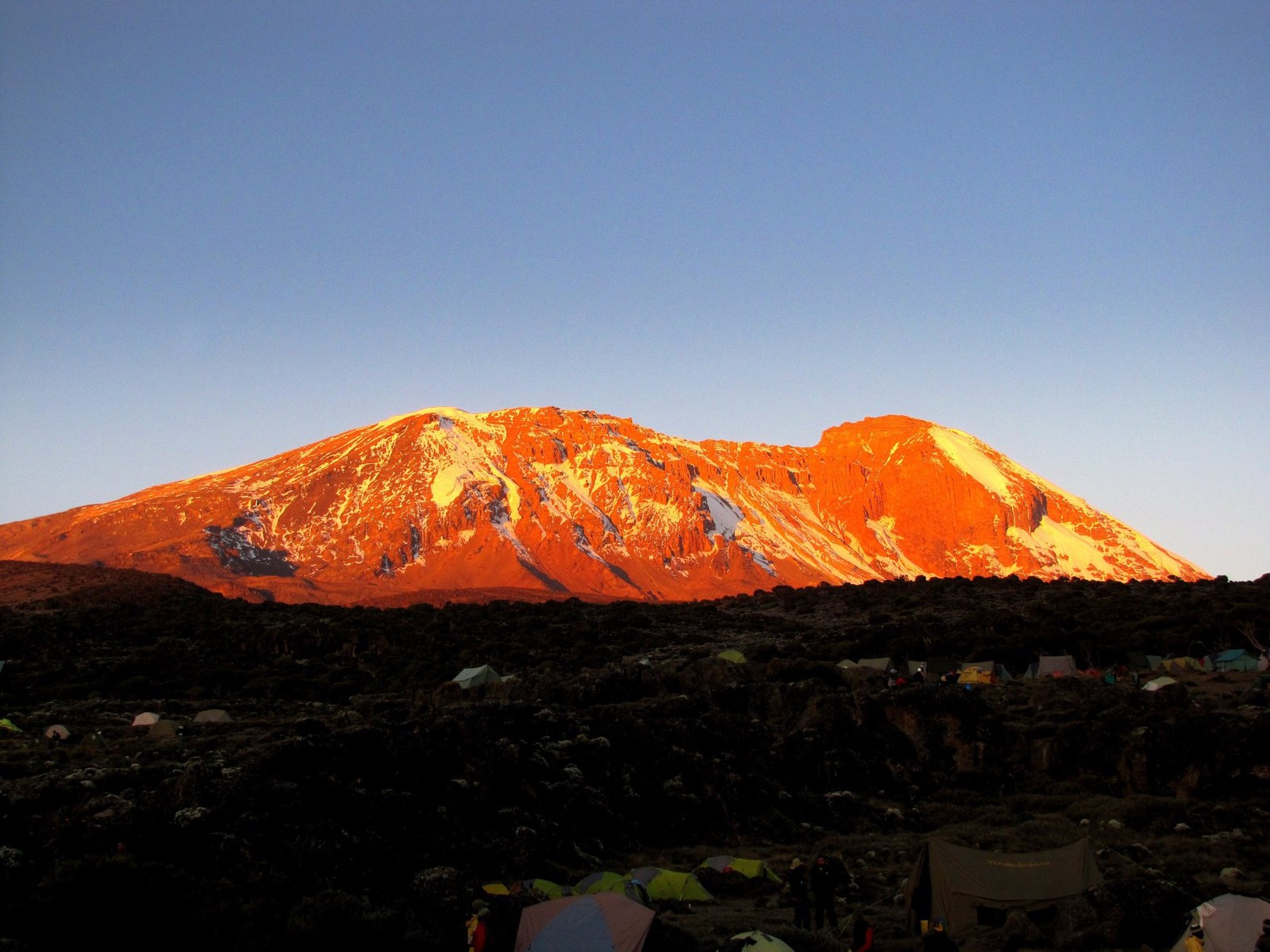
Kilimanjaro Training Plan
7 days, 62 km, high point 5,895 m. The weekend pair, midweek vertical, a rehearsal of the 10 to 14 hour longest day and a two-week taper, week by week.
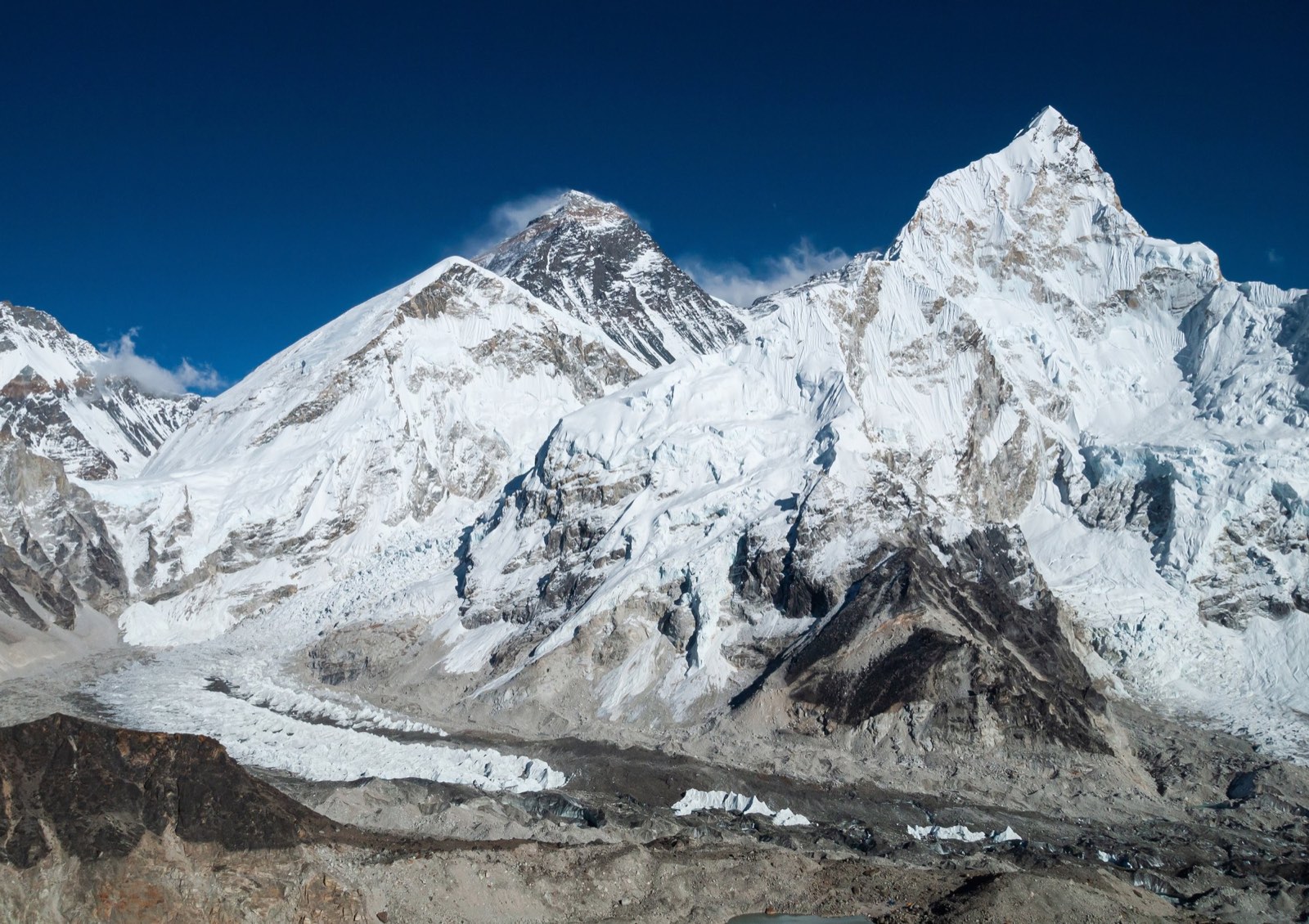
Everest Base Camp Training Plan
11 days, 113 km, high point 5,545 m. The weekend pair, midweek vertical, a rehearsal of the 8 to 9 hour longest day and a two-week taper, week by week.
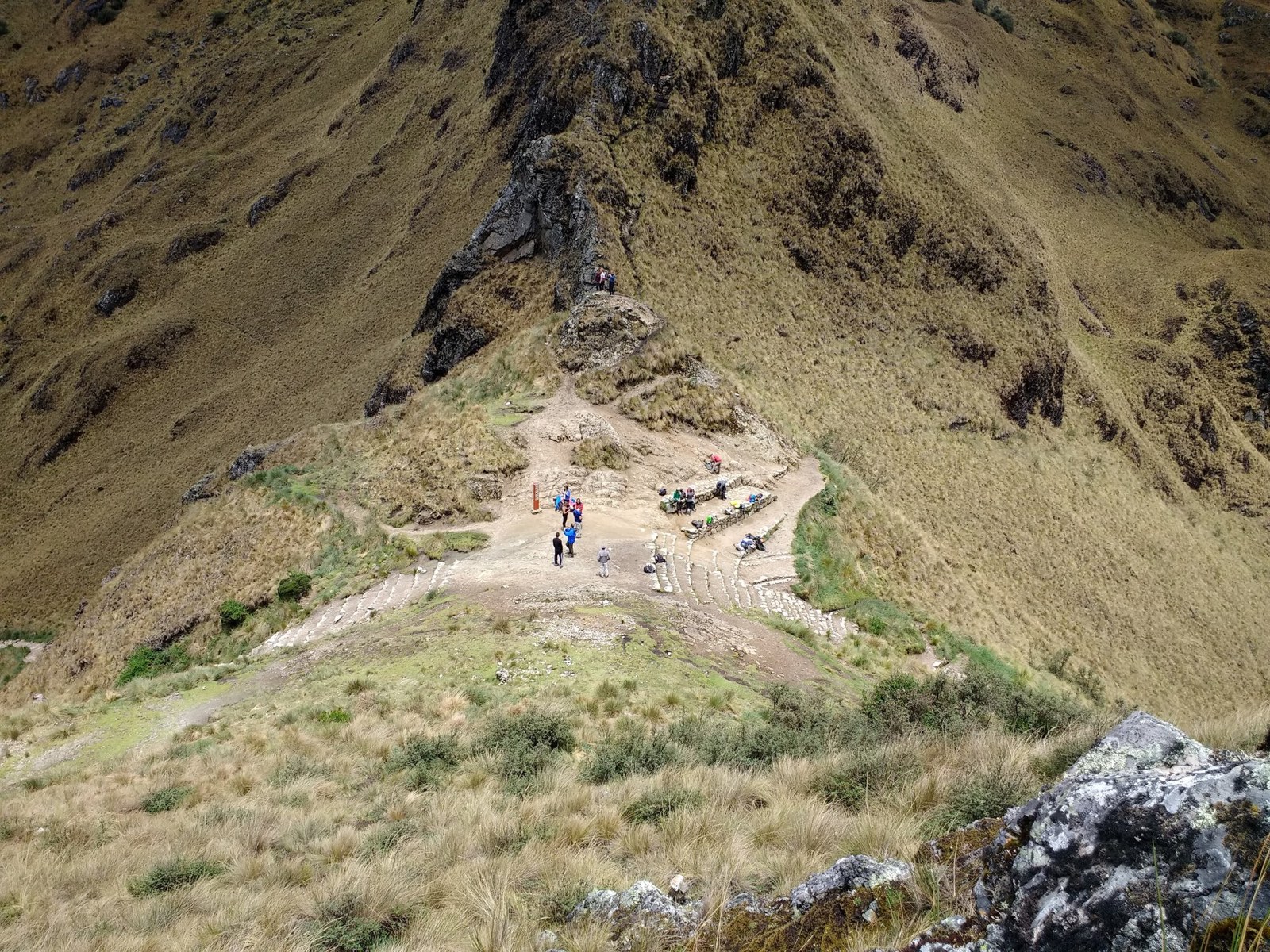
Inca Trail Training Plan
4 days, 45 km, high point 4,215 m. The weekend pair, midweek vertical, a rehearsal of the 8 to 10 hour longest day and a two-week taper, week by week.
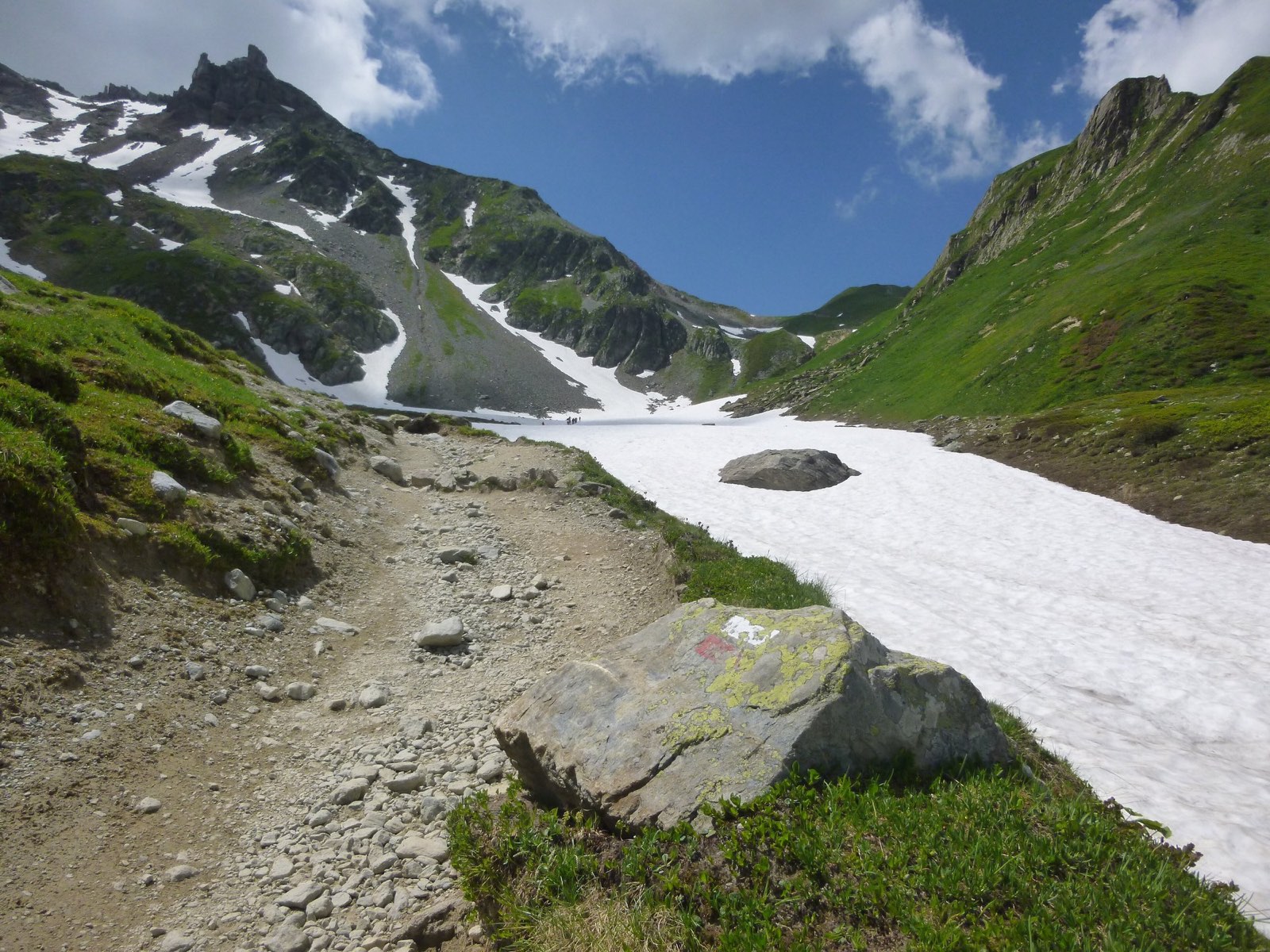
Tour du Mont Blanc Training Plan
11 stages, 170 km, high point 2,532 m. The weekend pair, midweek vertical, a rehearsal of the 7.5 to 8.4 hour longest day and a two-week taper, week by week.
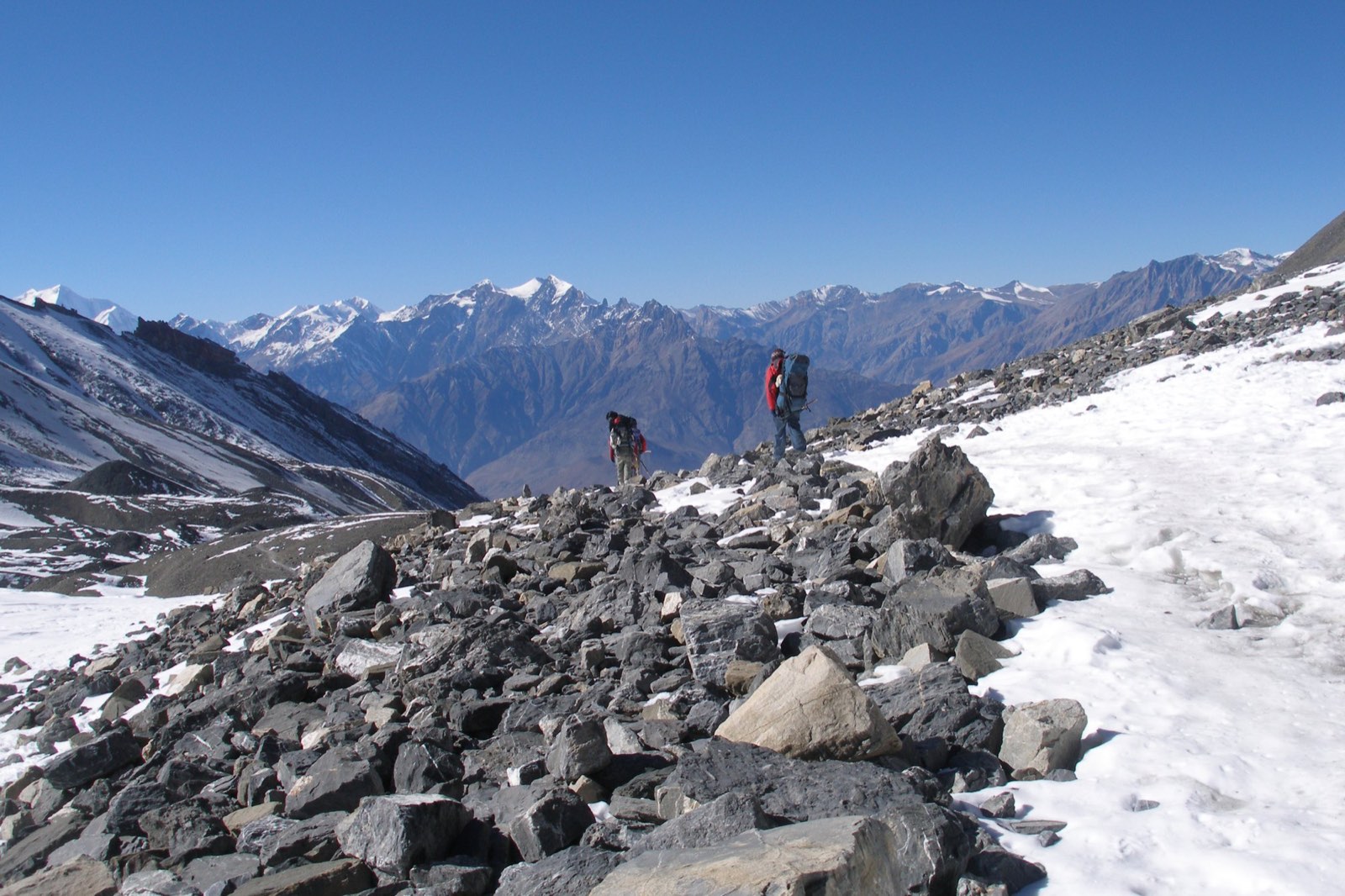
Annapurna Circuit Training Plan
8 days, 86 km, high point 5,416 m. The weekend pair, midweek vertical, a rehearsal of the 8 to 10 hour longest day and a two-week taper, week by week.
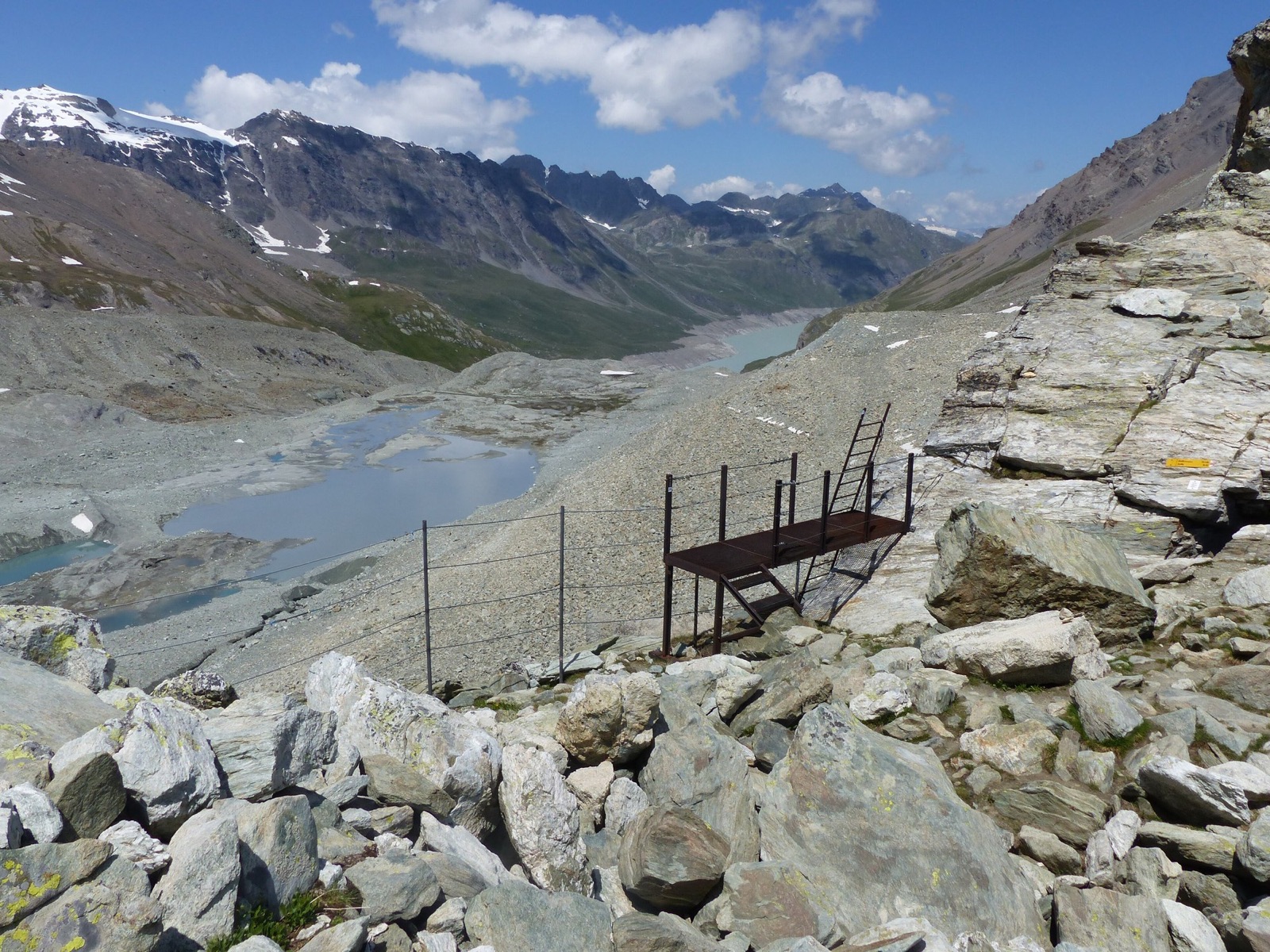
Walker's Haute Route Training Plan
14 stages, 206 km, high point 2,987 m. The weekend pair, midweek vertical, a rehearsal of the 7 to 8 hour longest day and a two-week taper, week by week.
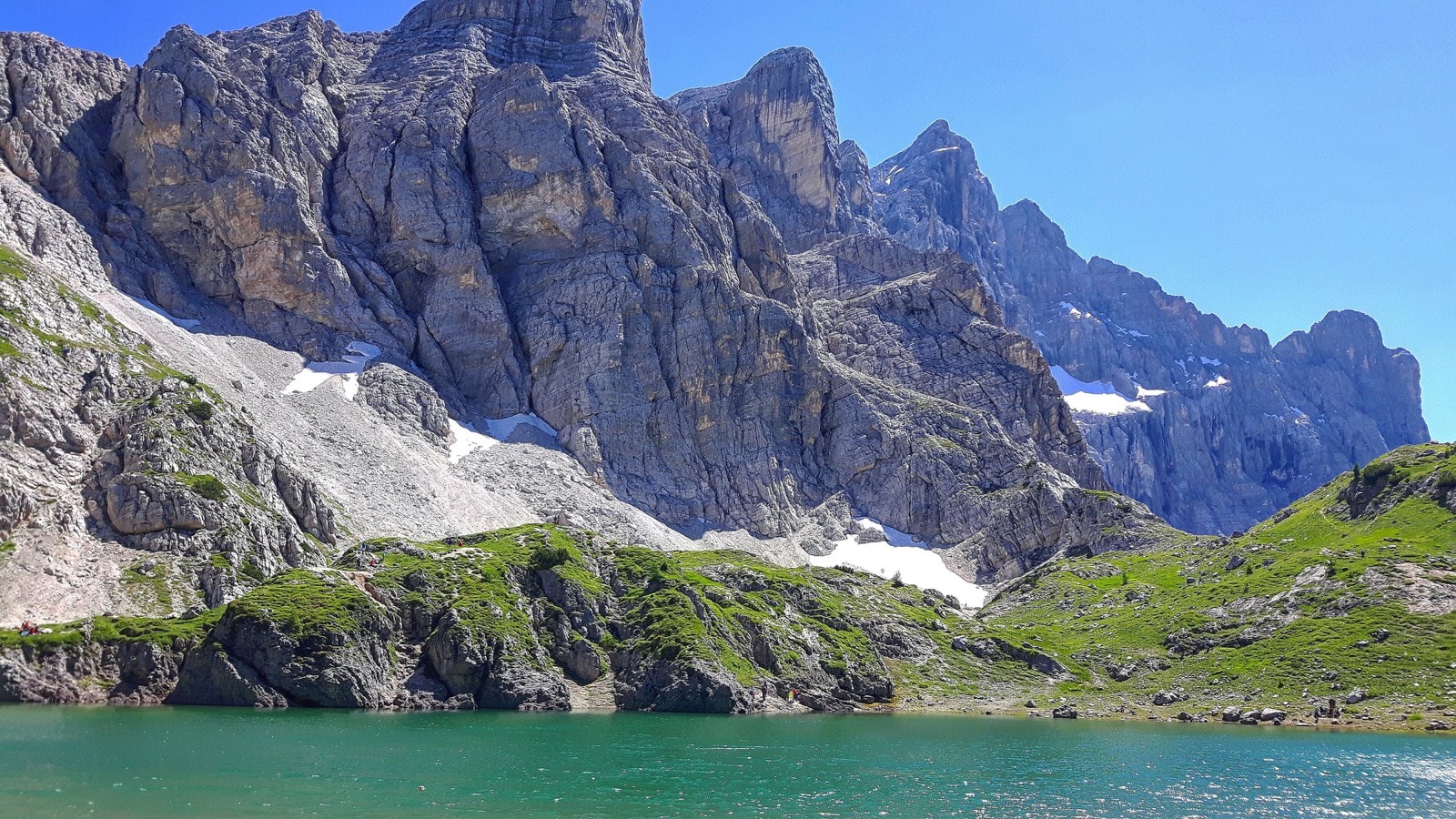
Alta Via 1 Training Plan
11 stages, 114 km, high point 2,752 m. The weekend pair, midweek vertical, a rehearsal of the 5.5 hour longest day and a two-week taper, week by week.
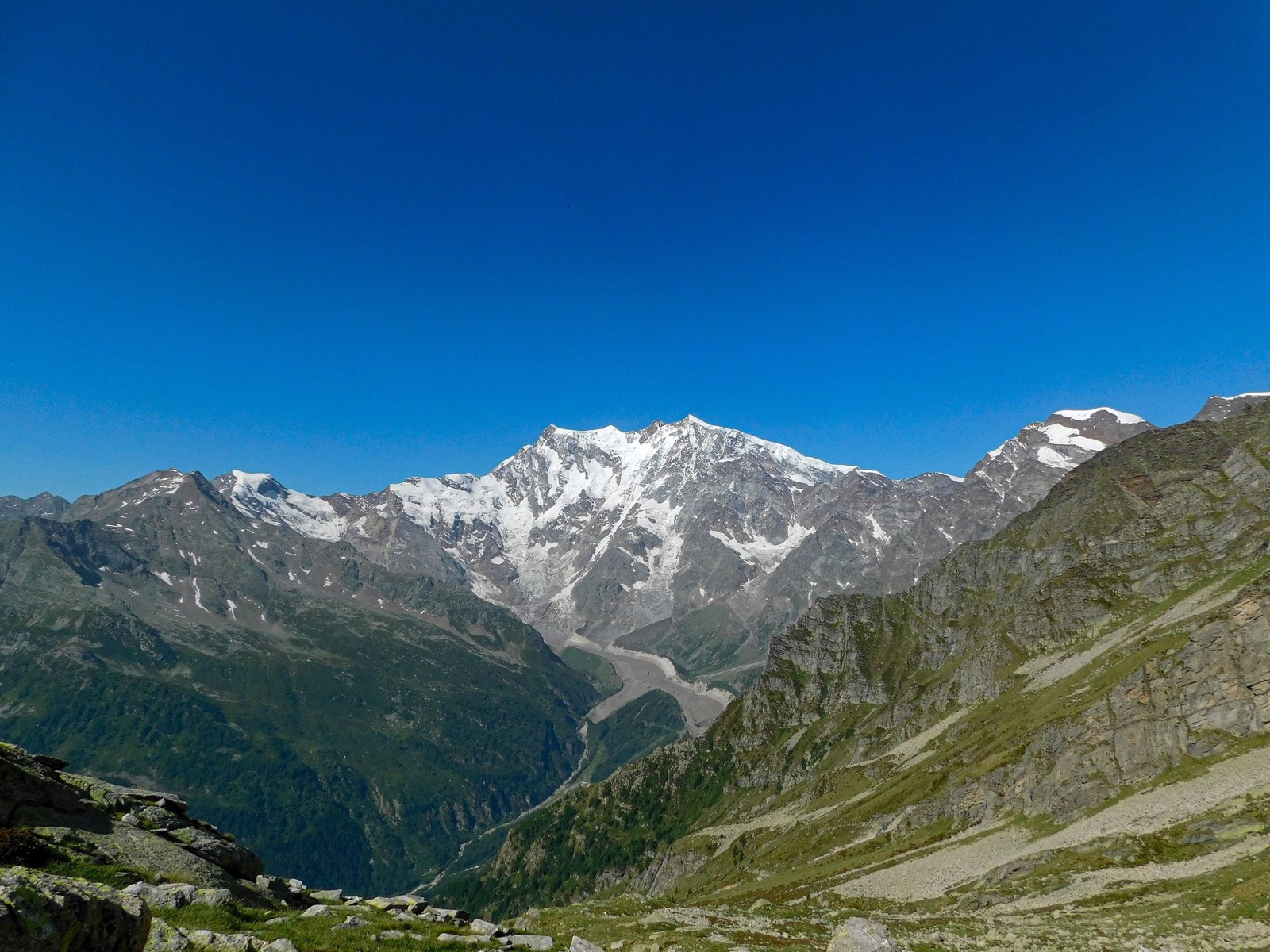
Tour of Monte Rosa Training Plan
9 stages, 172 km, high point 3,317 m. The weekend pair, midweek vertical, a rehearsal of the 8 to 8.5 hour longest day and a two-week taper, week by week.
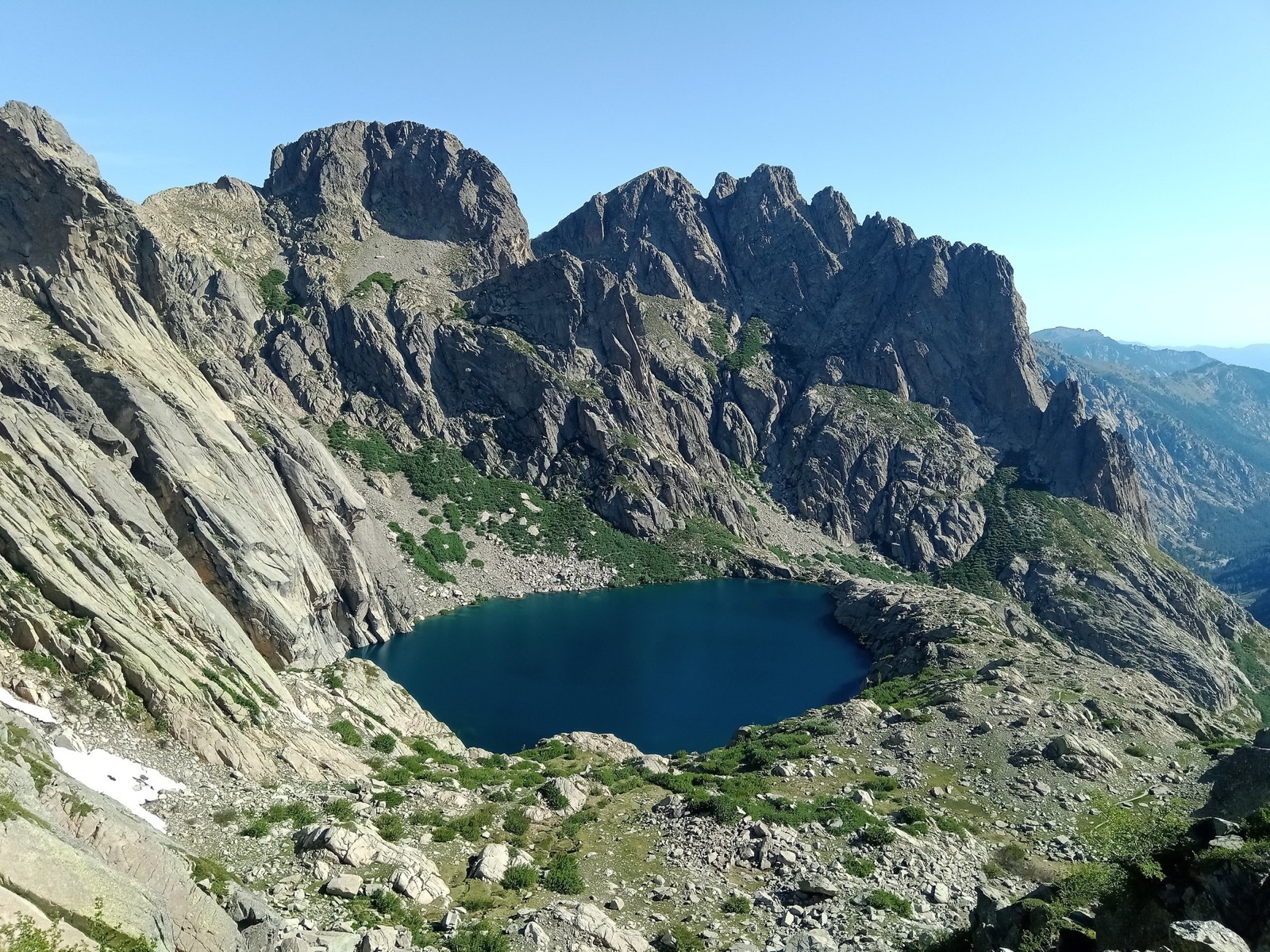
GR20 Training Plan
16 stages, 184 km, high point 2,600 m. The weekend pair, midweek vertical, a rehearsal of the 8 hour longest day and a two-week taper, week by week.
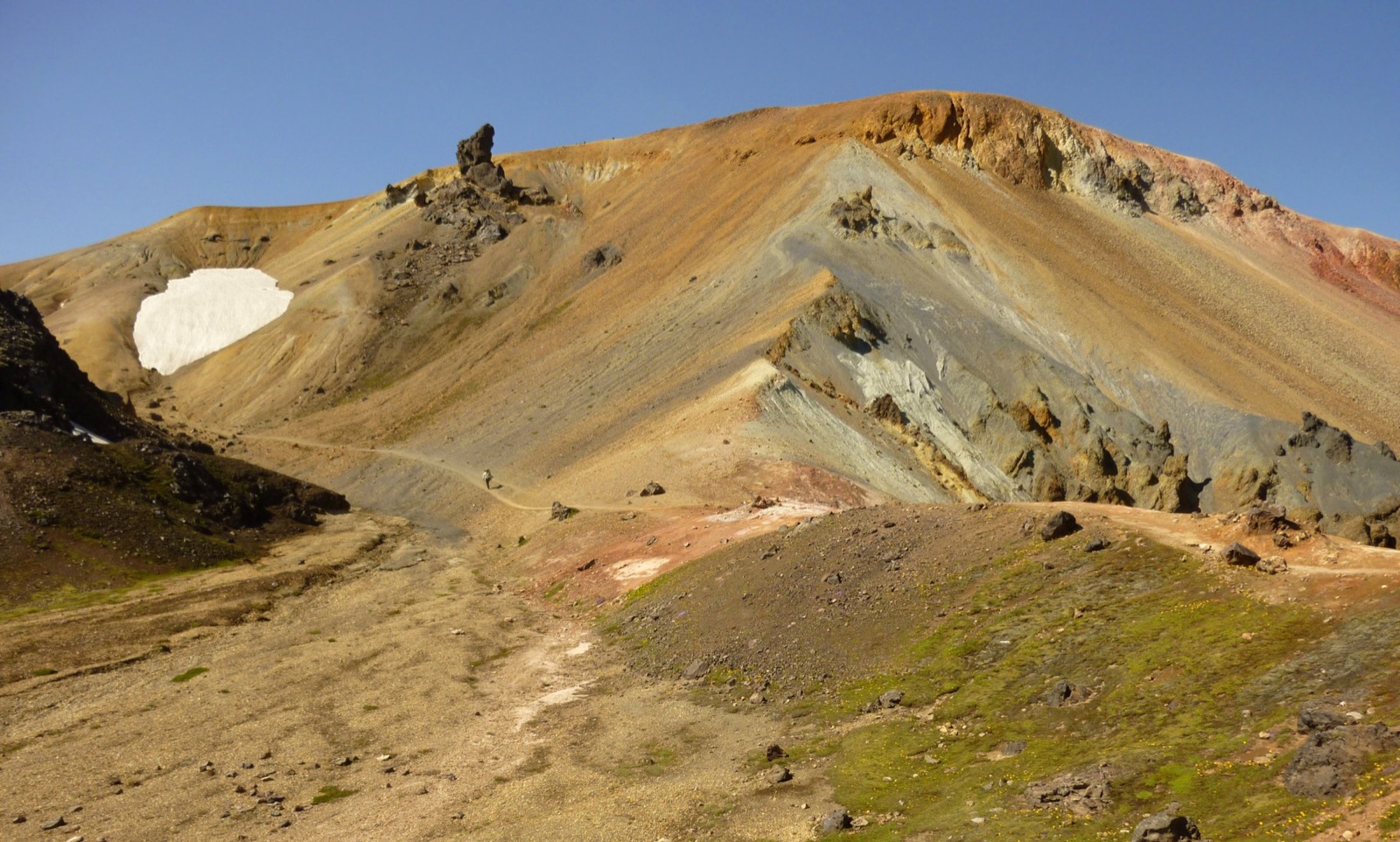
Laugavegur Trail Training Plan
4 days, 54 km, high point 1,100 m. The weekend pair, midweek vertical, a rehearsal of the 6 to 7 hour longest day and a two-week taper, week by week.
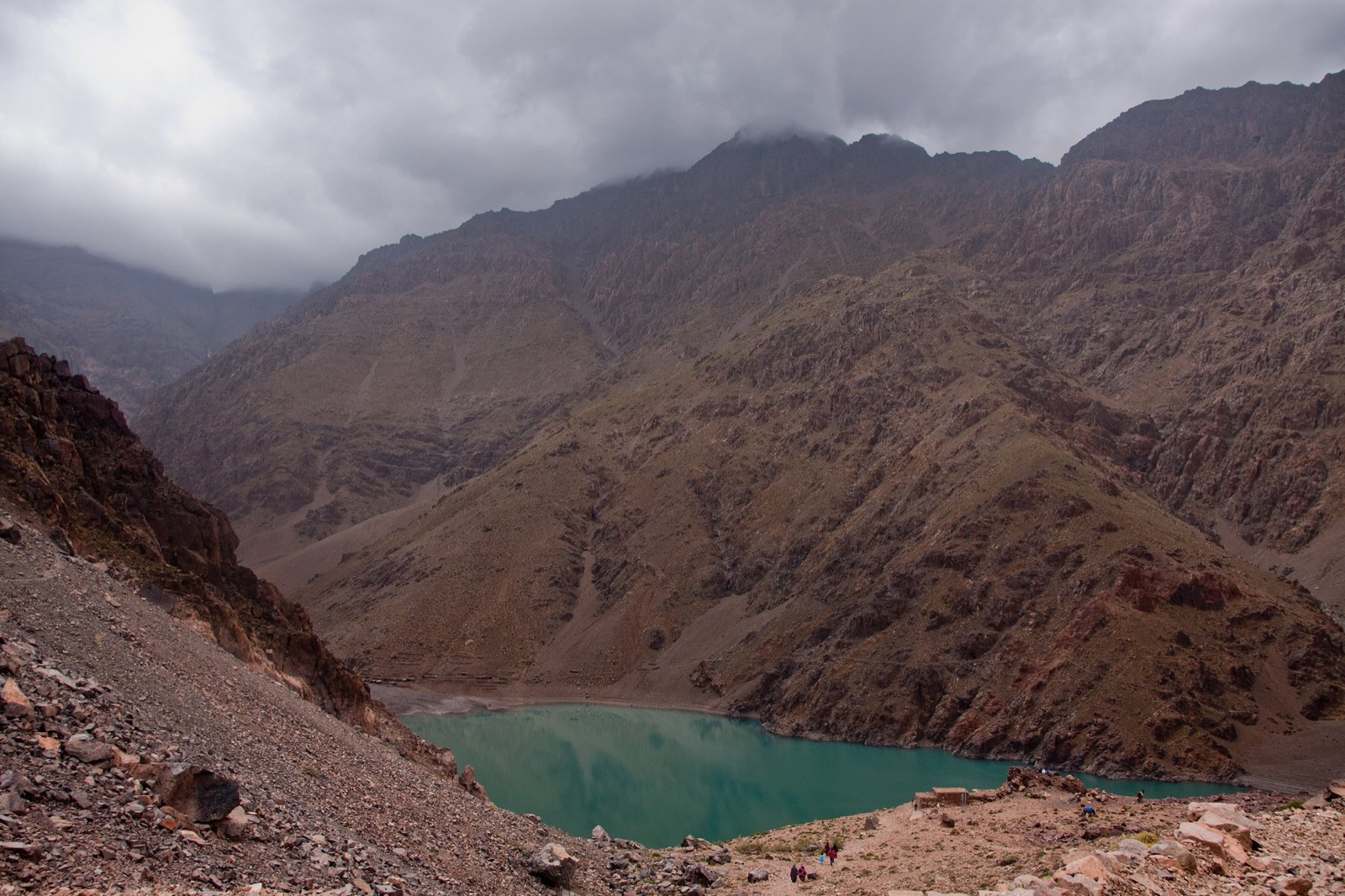
Toubkal Circuit Training Plan
6 days, 76 km, high point 4,167 m. The weekend pair, midweek vertical, a rehearsal of the 8 to 10 hour longest day and a two-week taper, week by week.
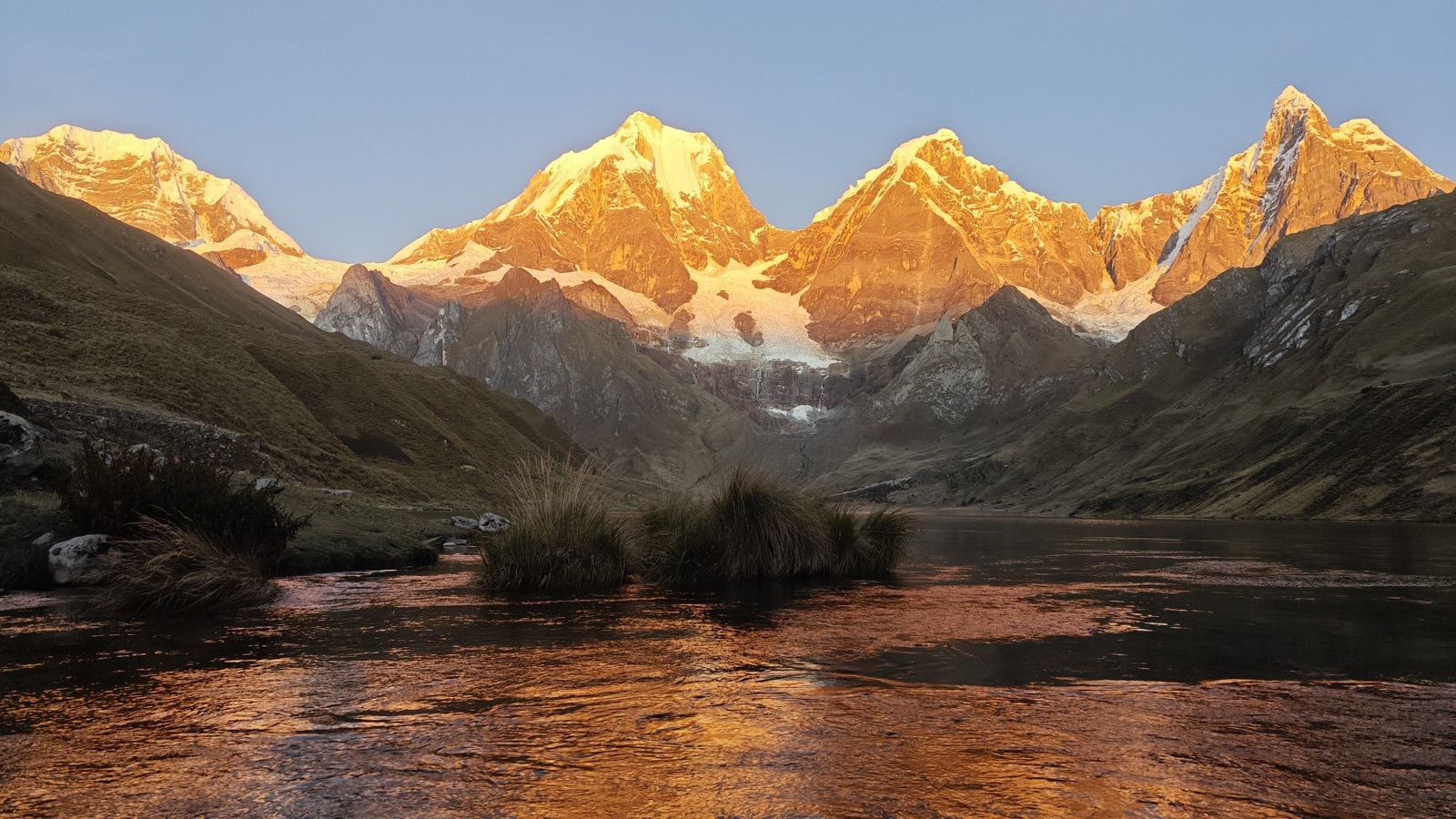
Huayhuash Circuit Training Plan
9 days, 101 km, high point 5,000 m. The weekend pair, midweek vertical, a rehearsal of the 6 to 8 hour longest day and a two-week taper, week by week.
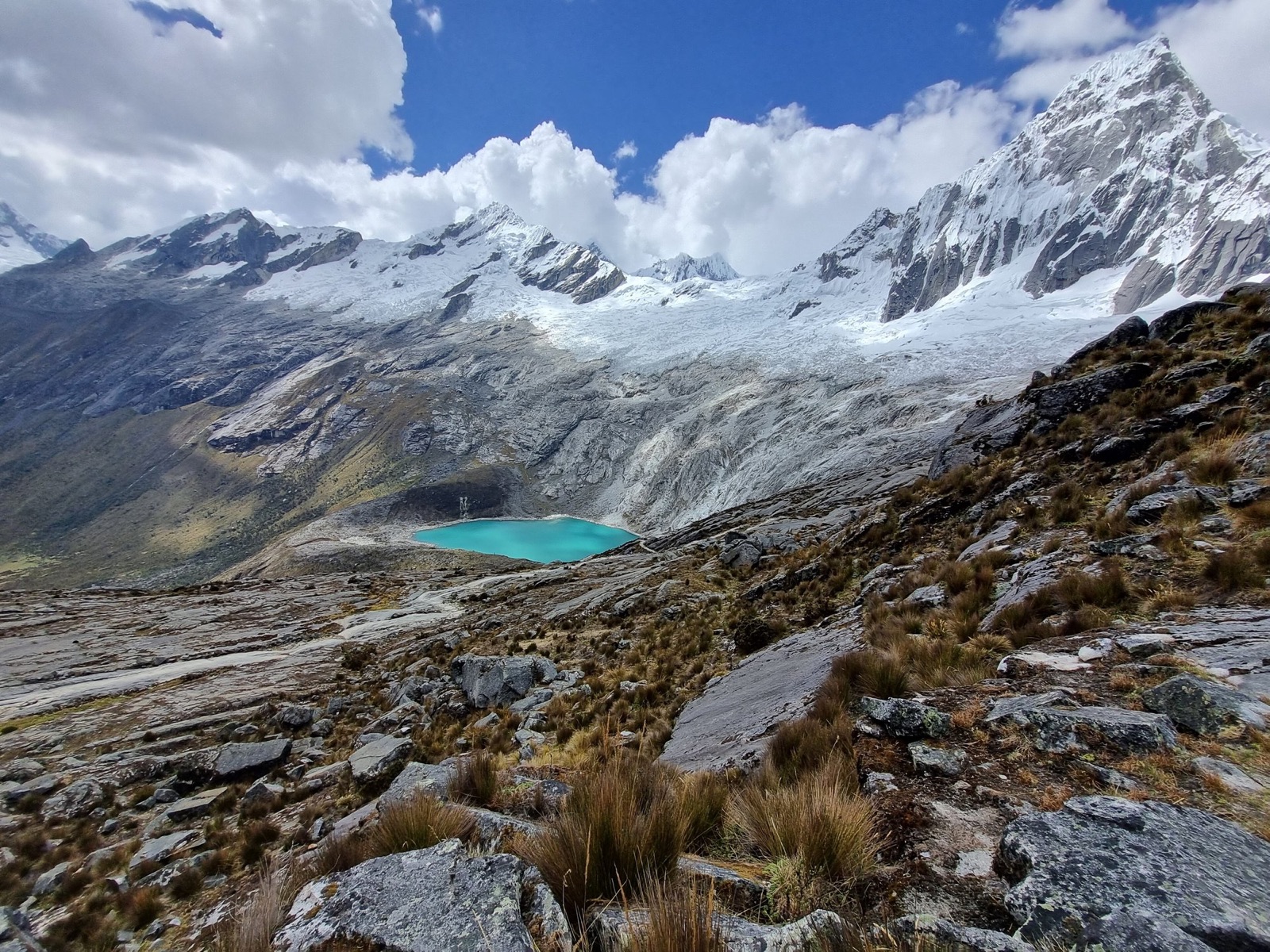
Santa Cruz Trek Training Plan
4 days, 44 km, high point 4,750 m. The weekend pair, midweek vertical, a rehearsal of the 6 to 8 hour longest day and a two-week taper, week by week.
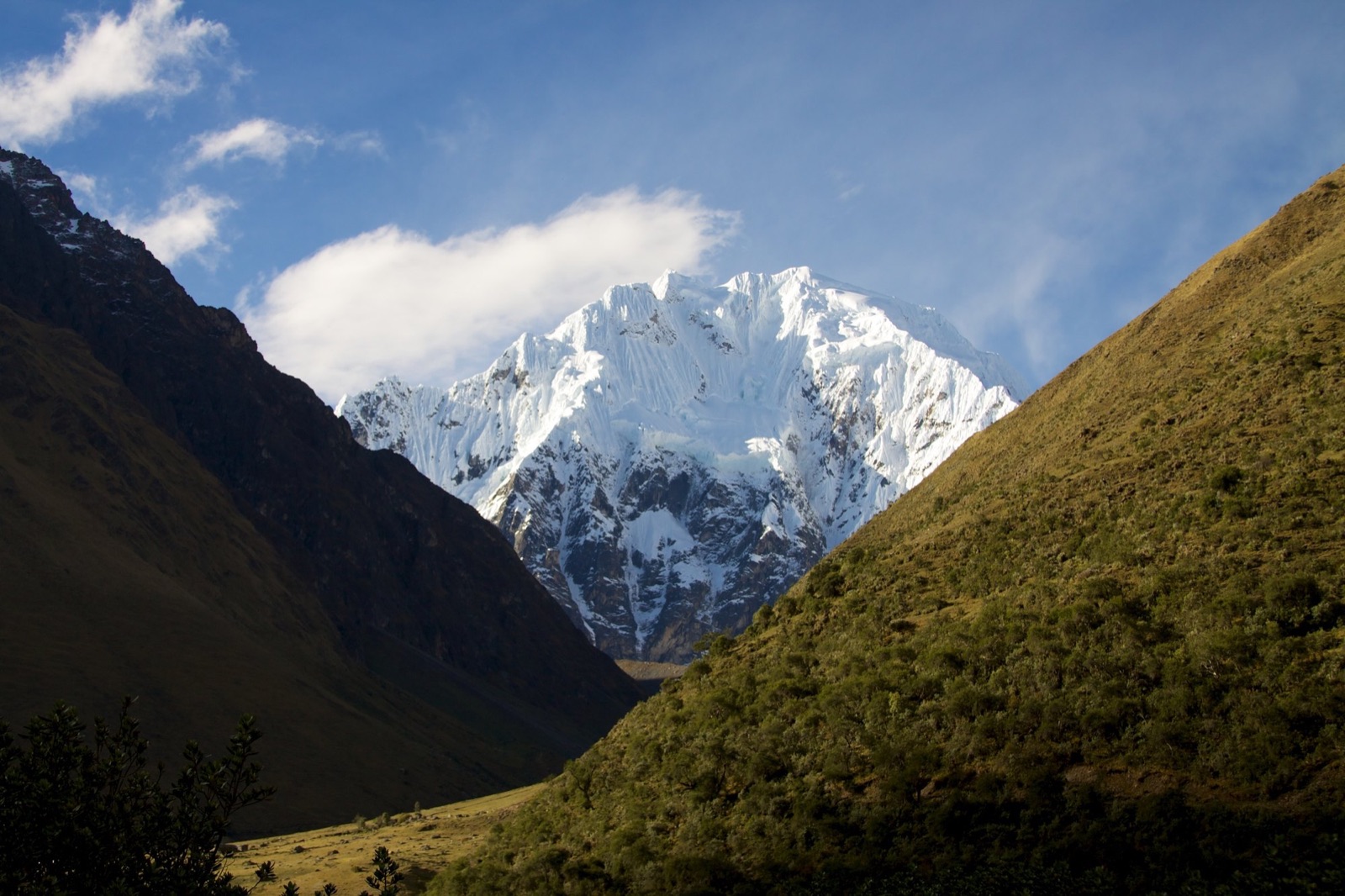
Salkantay Trek Training Plan
5 days, 79 km, high point 4,630 m. The weekend pair, midweek vertical, a rehearsal of the 8 to 11 hour longest day and a two-week taper, week by week.
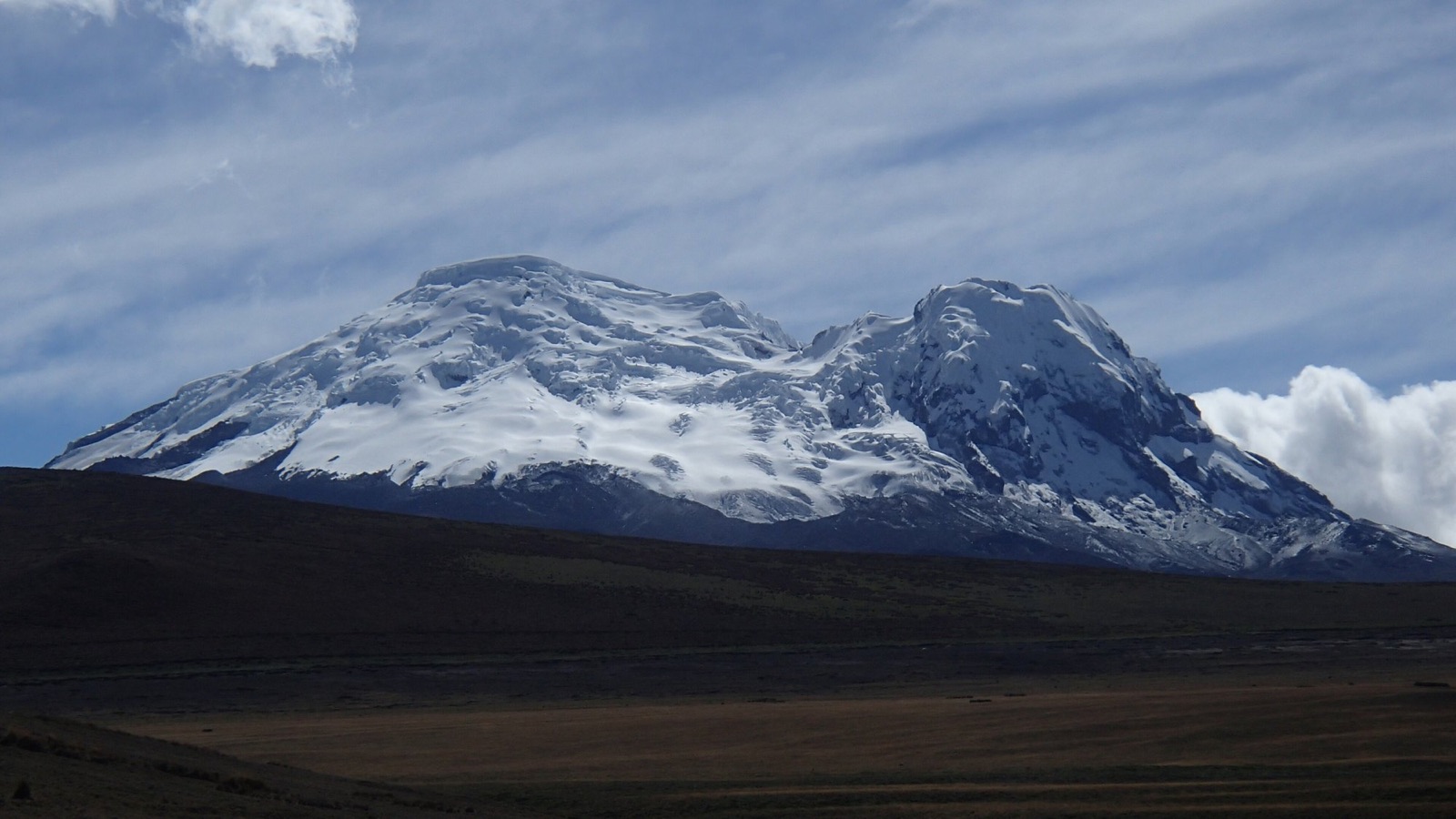
Condor Trek Training Plan
4 days, 47 km, high point 4,407 m. The weekend pair, midweek vertical, a rehearsal of the 7 to 9 hour longest day and a two-week taper, week by week.
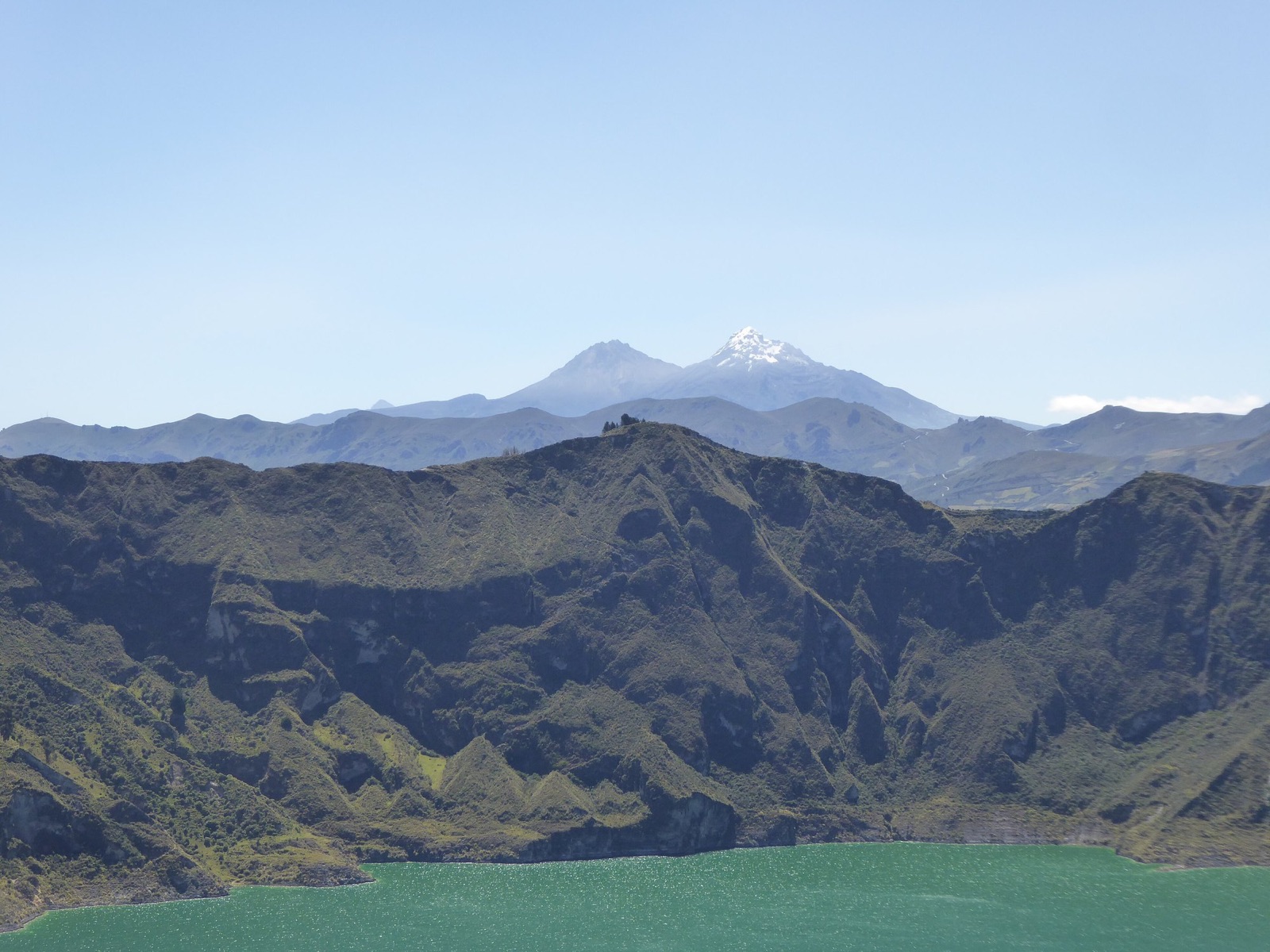
Quilotoa Loop Training Plan
3 days, 35 km, high point 3,880 m. The weekend pair, midweek vertical, a rehearsal of the 6 to 8 hour longest day and a two-week taper, week by week.
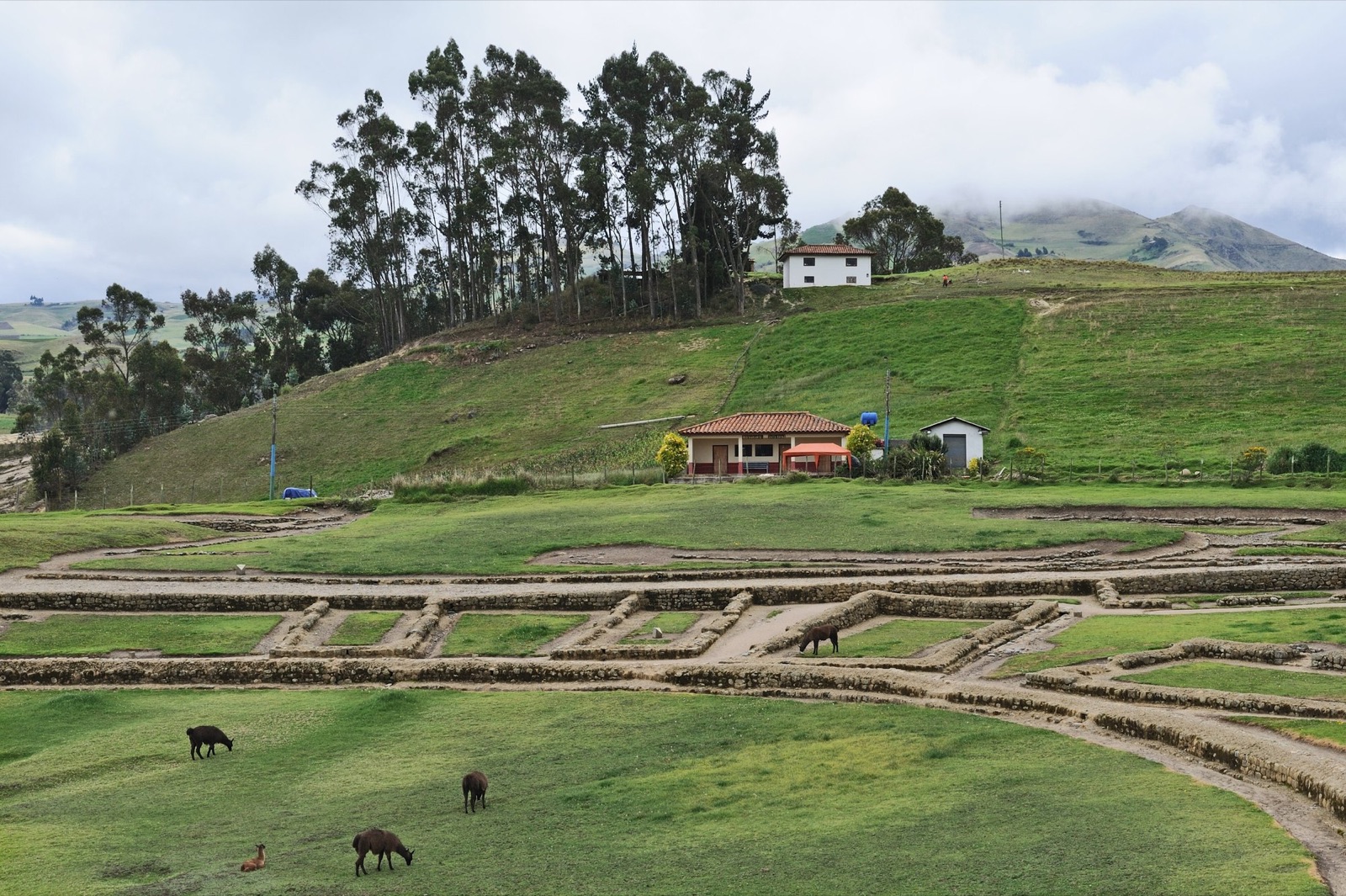
Inca Trail to Ingapirca Training Plan
3 days, 36 km, high point 4,414 m. The weekend pair, midweek vertical, a rehearsal of the 5 to 7 hour longest day and a two-week taper, week by week.
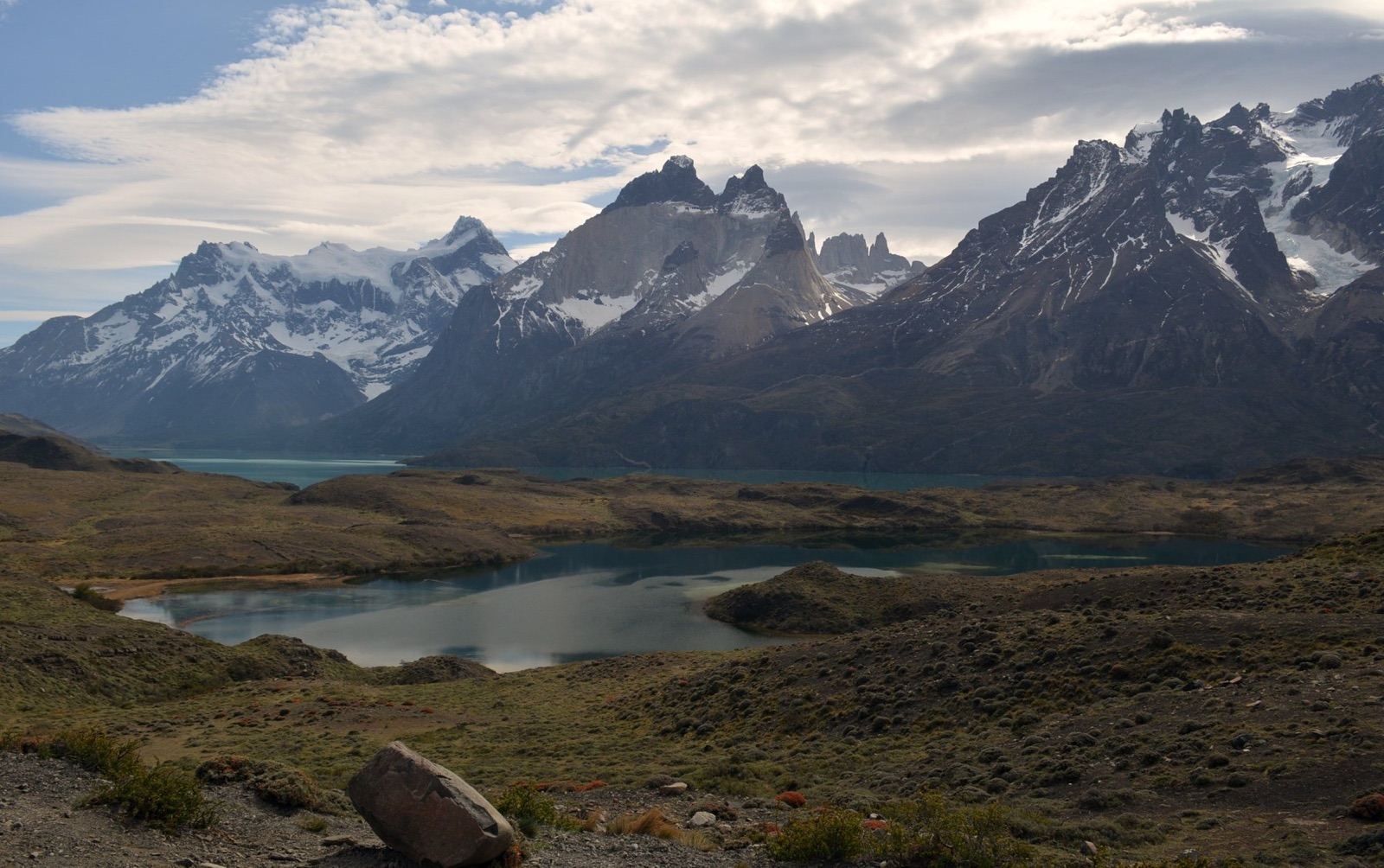
Torres del Paine W Trek Training Plan
5 days, 79 km, high point 871 m. The weekend pair, midweek vertical, a rehearsal of the 9 to 11 hour longest day and a two-week taper, week by week.
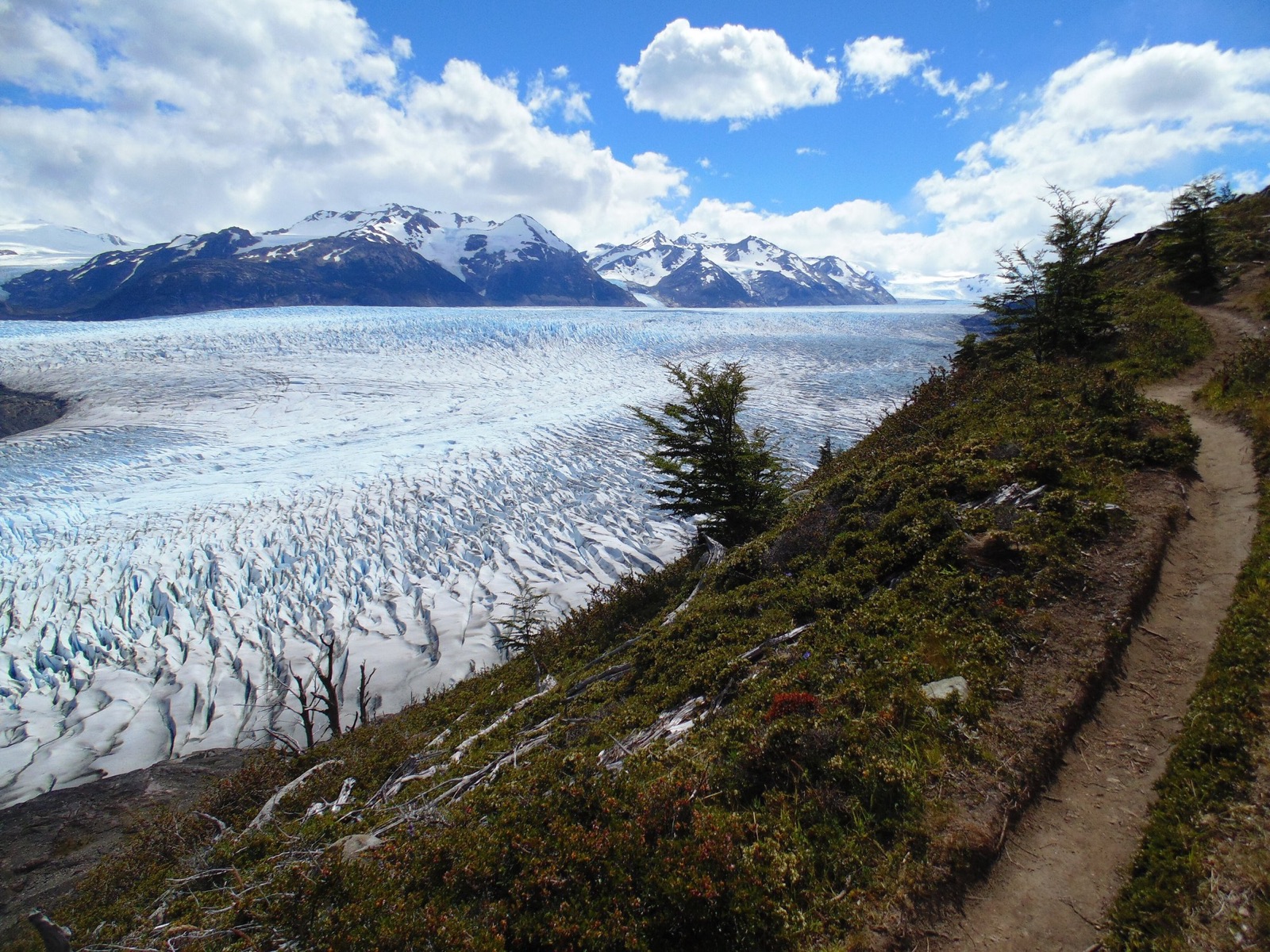
Torres del Paine O Circuit Training Plan
8 days, 128 km, high point 1,200 m. The weekend pair, midweek vertical, a rehearsal of the 8 to 12 hour longest day and a two-week taper, week by week.
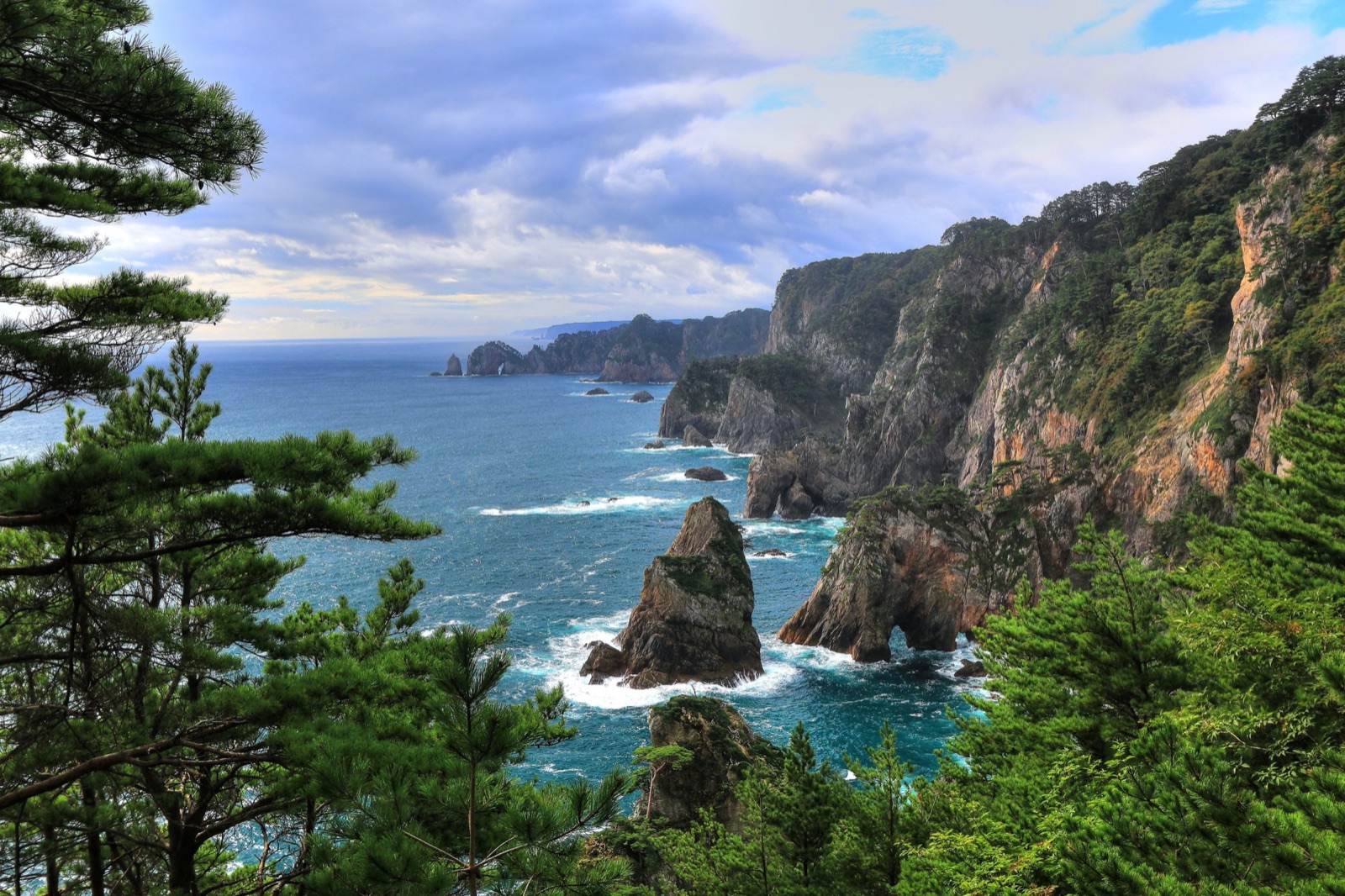
Michinoku Coastal Trail Training Plan
8 days, 96 km, high point 484 m. The weekend pair, midweek vertical, a rehearsal of the 5 to 6 hour longest day and a two-week taper, week by week.
Eccentric Training for Trekkers
Why trek descents hurt more than the ascents, where the big descents sit on twenty famous treks, and the short sessions that keep the last days walkable.

Altitude Acclimatisation for Trekkers
Sleeping altitude on twenty famous treks, go high, sleep low, the warning signs of altitude sickness, and what training can and cannot do about any of it.

Heart Rate Zones for Trekking
Why Zone 2 carries a trek plan, what each zone is for, how heart rate behaves at altitude and on day five, and a calculator for your own zones.