Find yourself here

Built for mountaineers. From first objective to seasoned summiteer.

Built for trekkers. From the booking confirmation to the last stage.

Training for a trek instead? See the trekking side →

TTM isn't for casual walkers or gym-goers ticking a bucket list. It's for people who've set a real objective - and want to arrive at the summit with their cardiovascular system actually ready for what the altitude demands.

TTM isn't for people thinking about a trek one day. It's for people who have booked one - Kilimanjaro, Everest Base Camp, the Inca Trail, the Tour du Mont Blanc, the Annapurna Circuit, the Walker's Haute Route and fourteen more - and want to arrive able to walk every stage, day after day, with legs that still work on the descent.

Start free for 14 days → Join the waiting list → See plans What opens in the app
0
Athlete profiles
city-gym access to full mountain access
0.92–1.0×
SRS environment modifier
honest about where you actually train
4,000m+
High-altitude objective
the climbs TTM is built around
0
Mountain disciplines
both live
0
Trekker profiles
both in flat country: one with a booked date, one asking early
Any trek
Your itinerary
days, hardest day and sleeping altitudes from your own route; famous treks ready-made
5,895 m
Highest ready-made profile
Kilimanjaro, summit night
0
Readiness signals
fitness, vertical, hardest day, descent, consistency, days in a row
Urban Objective

The City Athlete with a Mountain Objective

Profile

Lives and trains in an urban environment. Builds their base on the stairmaster and weighted step-ups - replicating mountain elevation rates of 300-400m/hr from a city gym. Their objective is a high-altitude climb above 4,000m. They can't access mountain terrain regularly, but they're motivated, disciplined, and serious.

The Challenge

Every generic training plan assumes you can access mountain terrain. Stairmaster athletes build real vertical fitness - but no generic plan quantifies it correctly, and none account for the one thing a gym cannot replicate: altitude-hypoxia adaptation.

What TTM Does
Applies a training environment modifier - Urban vertical training = 0.92× on Physical Readiness score (SRS) - reflecting strong cardiovascular specificity with an honest altitude-hypoxia gap
Prescribes stair climber protocols - Incline treadmill work, VO₂max intervals that build the aerobic engine
Flags the specificity gap - So you can plan acclimatization properly
"I trained for 6 months but still struggled at 4,500m. I had fitness but not the right fitness." The urban athlete's regret TTM exists to prevent.
Mountain Access

The Mountain-Access Athlete

Profile

Lives near hills or mountains. Runs trails, hikes regularly, maybe does some ski touring. Their objective might be a bigger climb than they've done before - moving from Alpine routes to high altitude. They have terrain but need structure and data.

The Challenge

They have the environment but lack a structured progressive plan. They accumulate volume but not necessarily the right kind of stress at the right time. They arrive at bigger objectives under- or over-cooked.

What TTM Does
Uses full mountain environment modifier - 1.0x - leveraging what you already have
Builds terrain-specific sessions - Vertical gain targets, long days, alpine start simulations
Tracks your CTL curve - Against what's required for your altitude target
"I thought I was fit enough. My SRS said otherwise. That honesty saved me from a bad decision." The mountain athlete who played it smart.
Flat country, booked date

The First-Timer with a Trek Booked and an Operator's Email

Profile

Lives in flat or low country. Stairs, hills, treadmill incline and the StairMaster are the training ground. Booked Kilimanjaro or Everest Base Camp months ahead, through an operator or a charity challenge, and the confirmation email says "walk 6 to 8 hours a day on consecutive days". Reasonably fit: parkrun, the gym twice a week. Has never walked eight hours a day for six days in a row, and never carried a loaded pack for more than a day.

The Challenge

Every "Kilimanjaro training plan" PDF assumes a base they may not have and knows neither their date nor their watch. The hidden fear is the descent on tired legs, and being the one the group waits for.

What TTM Does
Builds the plan around the trek's stage profile and your date - days, ascent, descent, hours, the longest day marked
Counts stairs and incline as vertical - the vertical you can actually get in a flat town, in the hours you actually have
Rehearses the week, not one day - back-to-back long days with a pack, so the tired days are trained before they happen
Says where its scope ends - the walking is sized to your trek's high point; acclimatisation is the itinerary's job
"The email said six to eight hours a day, on consecutive days. I had done one long day, once, and was wrecked for three." The first-timer the trekking track is built for.
Flat country, asking early

The Anniversary Trekker Who Asks Early

Profile

Lives in flat country too. Cycles to work, hikes in the Ardennes twice a year, owns the watch already. Booked Everest Base Camp with a partner eleven months ahead, for an anniversary: an eleven-day itinerary, when the longest they have ever walked is two days in a row.

The Challenge

The fear is altitude sickness ruining the trip of a lifetime, and eleven days of walking on a base of commutes and the odd weekend hike. They want to know how ready they are before they tell anyone they are worried.

What TTM Does
Reads what your watch already recorded - the commute rides and the weekend hikes count from day one
Places the back-to-back pairs on purpose - where the plan can absorb them, growing toward your hardest stage
Tracks readiness for the hardest day and the consecutive days - one number, recalculated every week, so "how ready am I" has an answer
"The longest I had walked was two days in a row. The trek was eleven." The trekker who asked early instead of hoping.

Built for mountaineers - from first objective to seasoned summiteer

TTM is built around one discipline done right: mountaineering. Whether you're preparing for your first guided high-altitude climb or your tenth technical route, the platform scales with your experience. We do not encourage anyone to undertake high-altitude objectives without the appropriate experience or professional guidance - TTM coaches your cardiovascular readiness, not your judgement on the mountain.

One track, done right: arriving able to walk every stage

Whether it is a charity Kilimanjaro, an anniversary Everest Base Camp or the full Tour du Mont Blanc, the plan is built around your trek and your date and recalculated every week from your watch. The walking is sized to your trek's high point; acclimatisation is the itinerary's job, and we do not encourage anyone to go to altitude without a sensible itinerary and, where it belongs, a guide.

High-Altitude Mountaineering
Beginners under professional guide to experienced mountaineers. Cardiovascular readiness built and tracked through your entire preparation block.
AVAILABLE NOW
Trekking
Kilimanjaro, Everest Base Camp, Inca Trail, Tour du Mont Blanc and sixteen more: consecutive days, the hardest day, descent-ready legs.
AVAILABLE NOW

Also live

The same physiological model, applied to trekking.

The other track

Mountaineering is live today, on the same physiological model.

Trekking
Kilimanjaro, Everest Base Camp, Inca Trail, Tour du Mont Blanc and sixteen more: consecutive days, the hardest day, descent-ready legs
AVAILABLE NOW →
High-Altitude Mountaineering
One summit day and a taper timed to it. Beginners under professional guide to experienced mountaineers.
AVAILABLE NOW →

TTM is probably not for you if...

✕
You're looking for a generic weekly plan without data - TTM is built on your actual profile and objective
✕
You don't have a specific altitude objective or race goal - TTM optimizes toward something real
✕
You need technical climbing instruction - TTM coaches your cardiovascular system, not your rope work or route judgement
✕
You want to train without a clear altitude objective - TTM optimises toward something specific, not generic fitness
✕
You have no date - someone thinking about Kilimanjaro one day is not who the plan is built for; it is built around a departure date
✕
You're a day hiker with no multi-day objective - the free hiking guides serve you today, and Trek Check; the plan is built for consecutive stages, four days or fourteen
✕
You expect TTM to replace a guide, a doctor or acclimatisation - the itinerary handles altitude, the plan handles the walking
✕
You're thru-hiking or fastpacking - months on trail is a different demand shape, and TTM does not serve it

Go deeper: pages built for your specific situation

The same product, different first mile. If one of these describes you better than the general overview above, start here.

For your first mountain

Training for Your First Mountaineering Climb

You have booked your first alpine summit and the generic PDFs assume a base you may not have. Here is how TTM calibrates to your actual starting fitness and matches the plan to your specific peak.

Start here
For the comeback

Returning to Mountaineering After a Break

You climbed in your twenties or thirties. You are back, in a body that is not the one you remember. How TTM reads where you are today, respects the longer recovery, and gets you back on the mountain safely.

Start here
For your booked guided climb

Training for Your Guided Climb

Your guide company sent you a training PDF. It covers the basics but cannot calibrate to you. How TTM fills the personalisation gap without replacing a page of what they wrote.

Start here
For the cyclist, runner, triathlete

You Have the Engine. The Mountain Needs More.

You have the aerobic base. You do not have the descent legs, the sustained-effort tolerance under a loaded pack, or the altitude work yet. How TTM credits your existing training and prescribes exactly what is missing.

Start here

Go deeper: your trek, stage by stage

Any trek works: the plan is built from your own itinerary, and twenty-four treks come ready-made in the app, and twenty of them have their stage profile on this site: days, ascent, descent, hours, where you sleep, and the longest day marked. The six that opened the trekking track are below; all twenty are on the trek hub. Days are the standard itinerary; altitudes follow the common survey values (Everest Base Camp's high point is Kala Patthar). Start with yours.
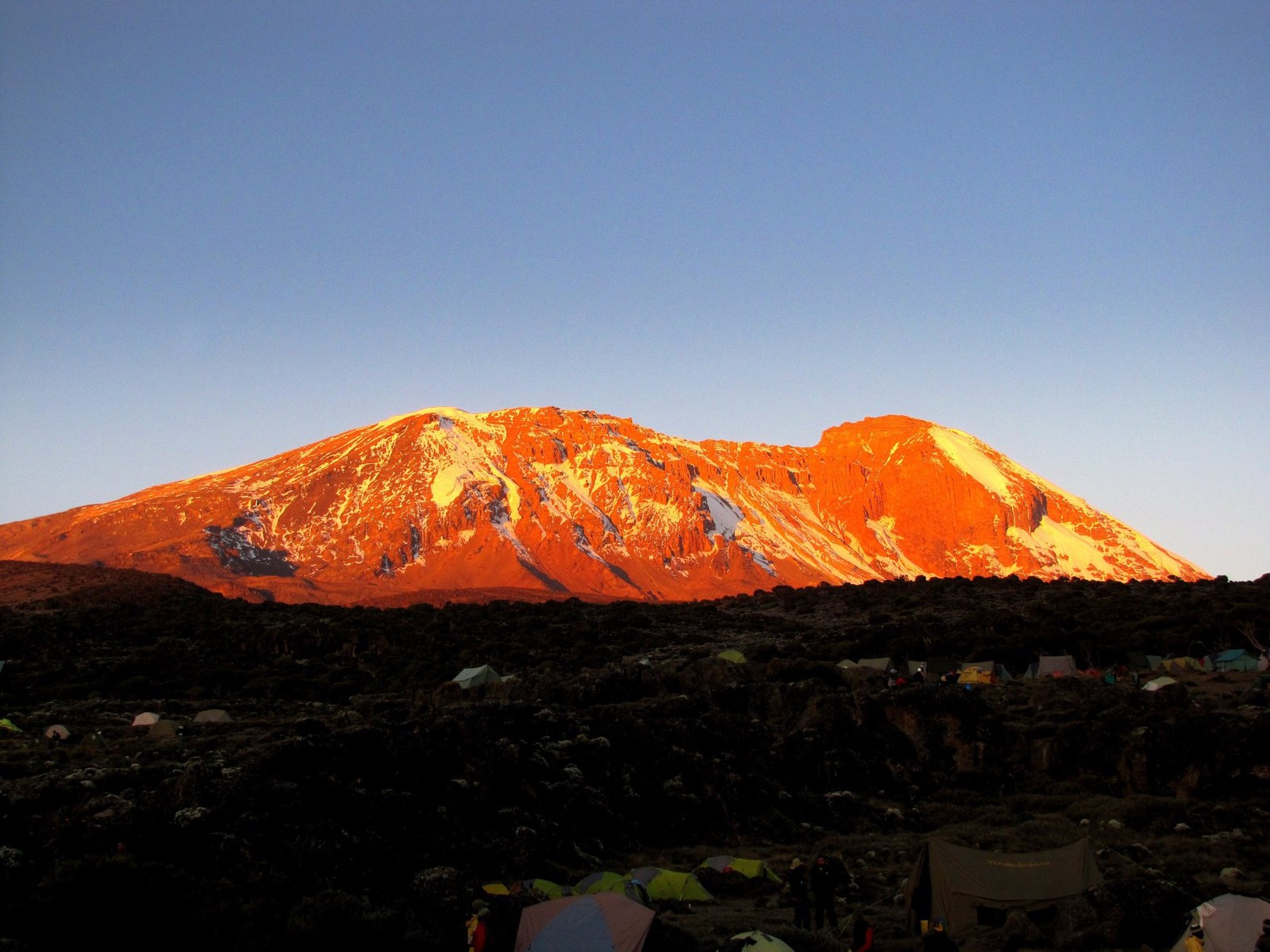
7 days · 5,895 m

Kilimanjaro

The longest day is day 6: Barafu Camp to Mweka Camp (via Uhuru Peak); 1,222 m up, 2,827 m down over 17 km; 10 to 14 h, high point 5,895 m.

See the stage profile
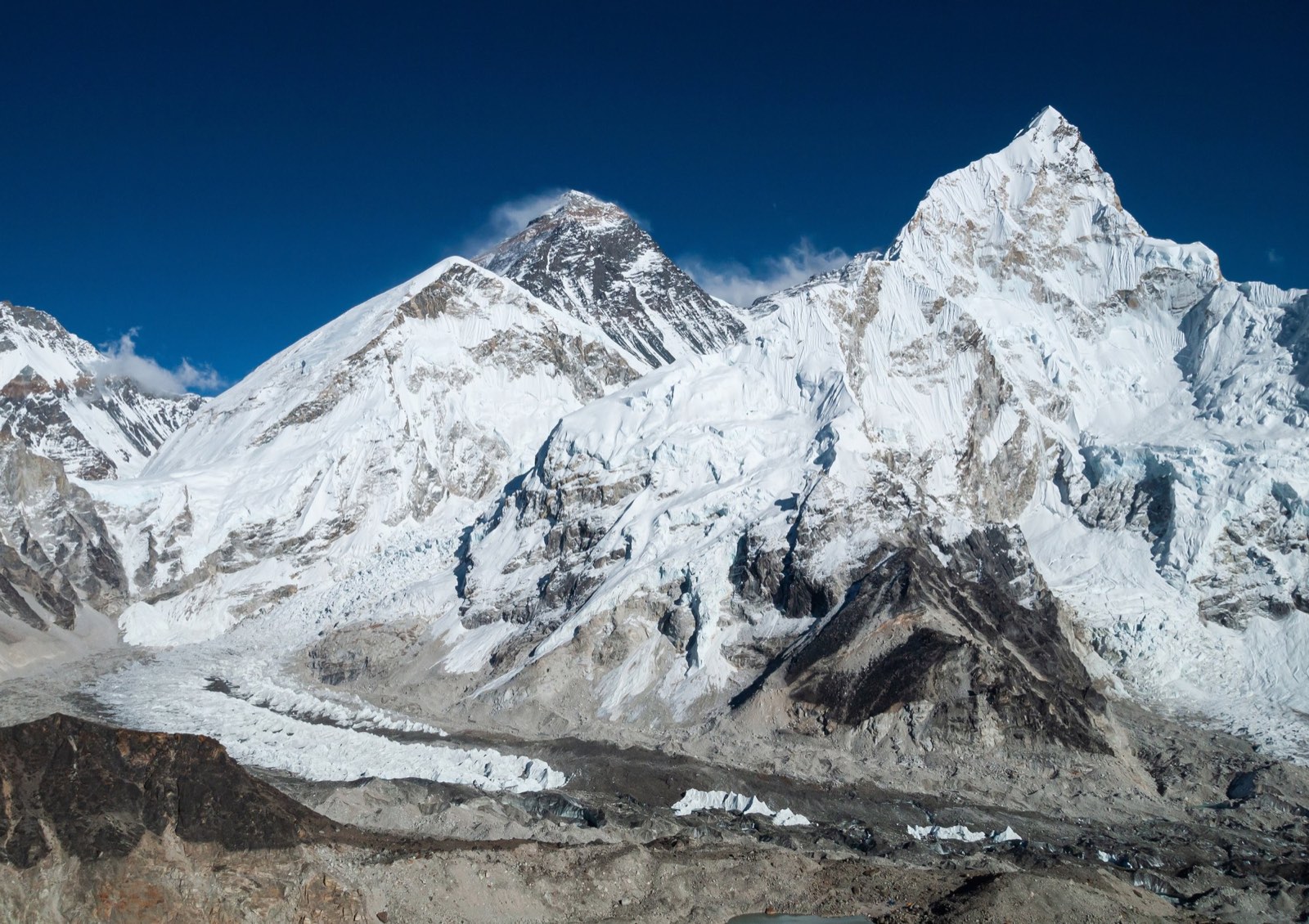
11 days · 5,545 m

Everest Base Camp

The longest day is day 9: Gorak Shep to Pheriche (via Kala Patthar); 451 m up, 1,336 m down over 15.2 km; 8 to 9 h, high point 5,545 m.

See the stage profile
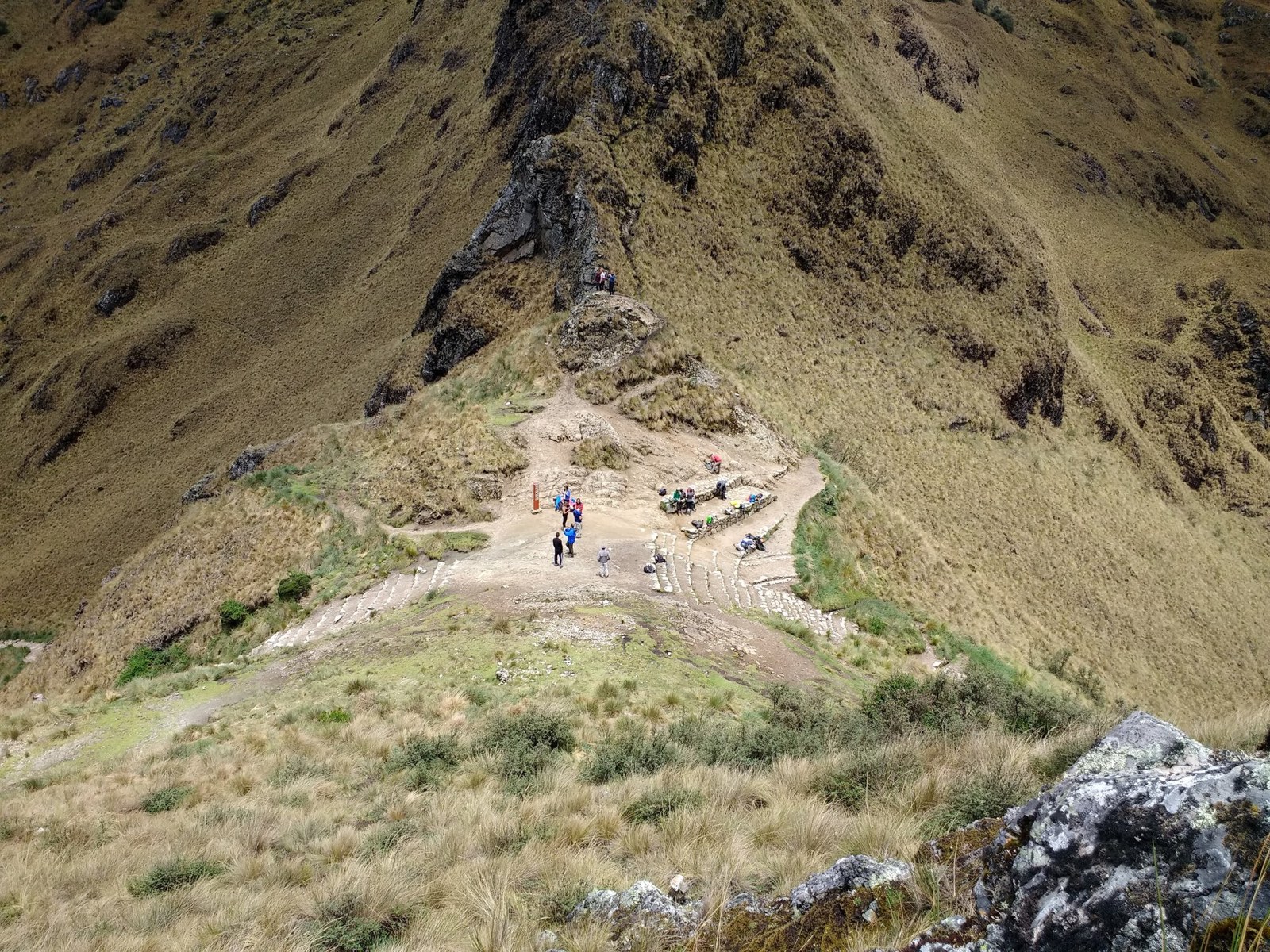
4 days · 4,215 m

Inca Trail

The longest day is day 3: Pacaymayo to Winay Wayna; 480 m up, 1,370 m down over 16 km; 8 to 10 h, high point 3,950 m.

See the stage profile
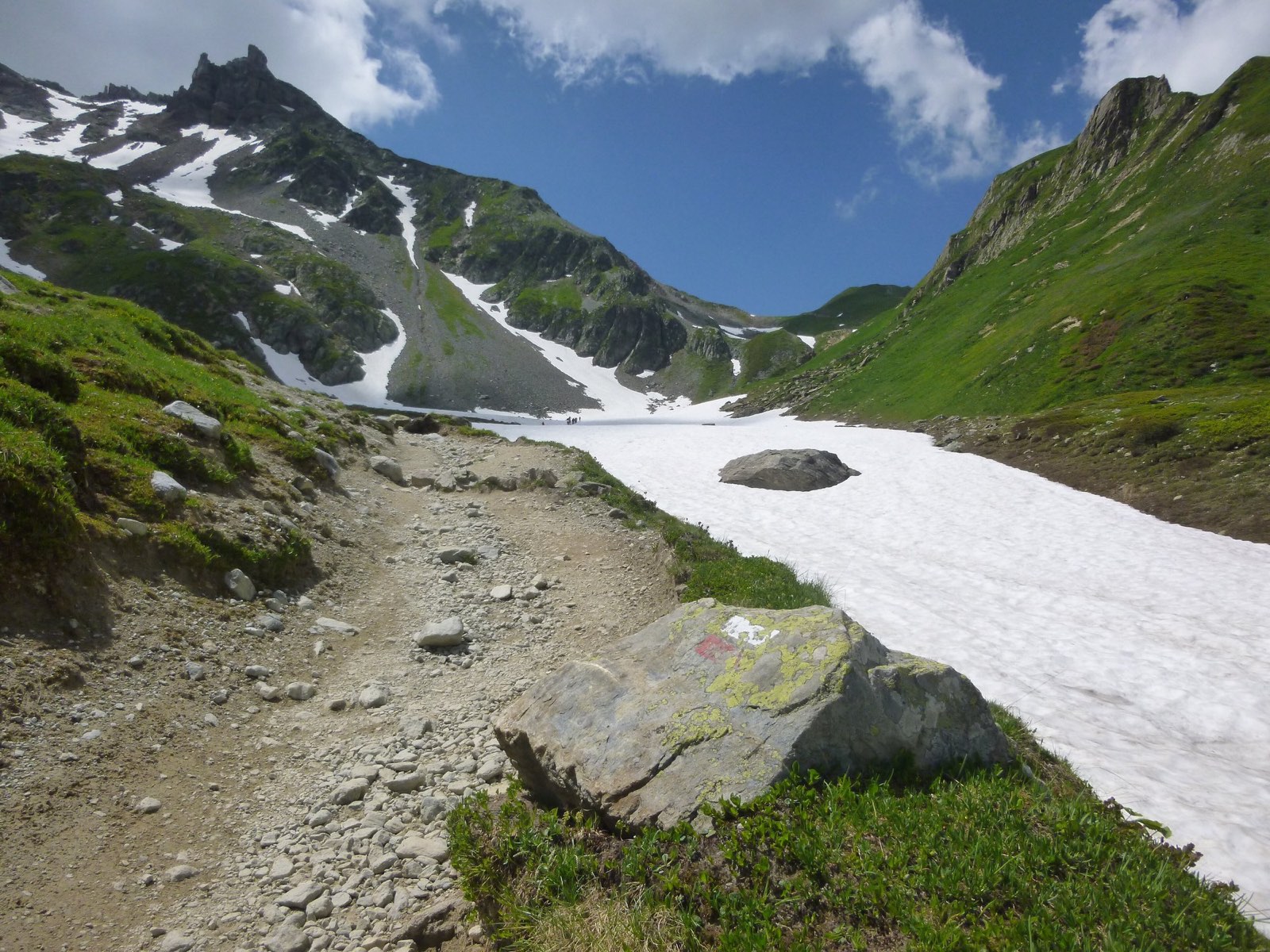
11 stages · 2,532 m

Tour du Mont Blanc

The longest day is day 2: Les Contamines-Montjoie to Les Chapieux; 1,350 m up, 960 m down over 19 km; 7.5 to 8.4 h, high point 2,482 m.

See the stage profile
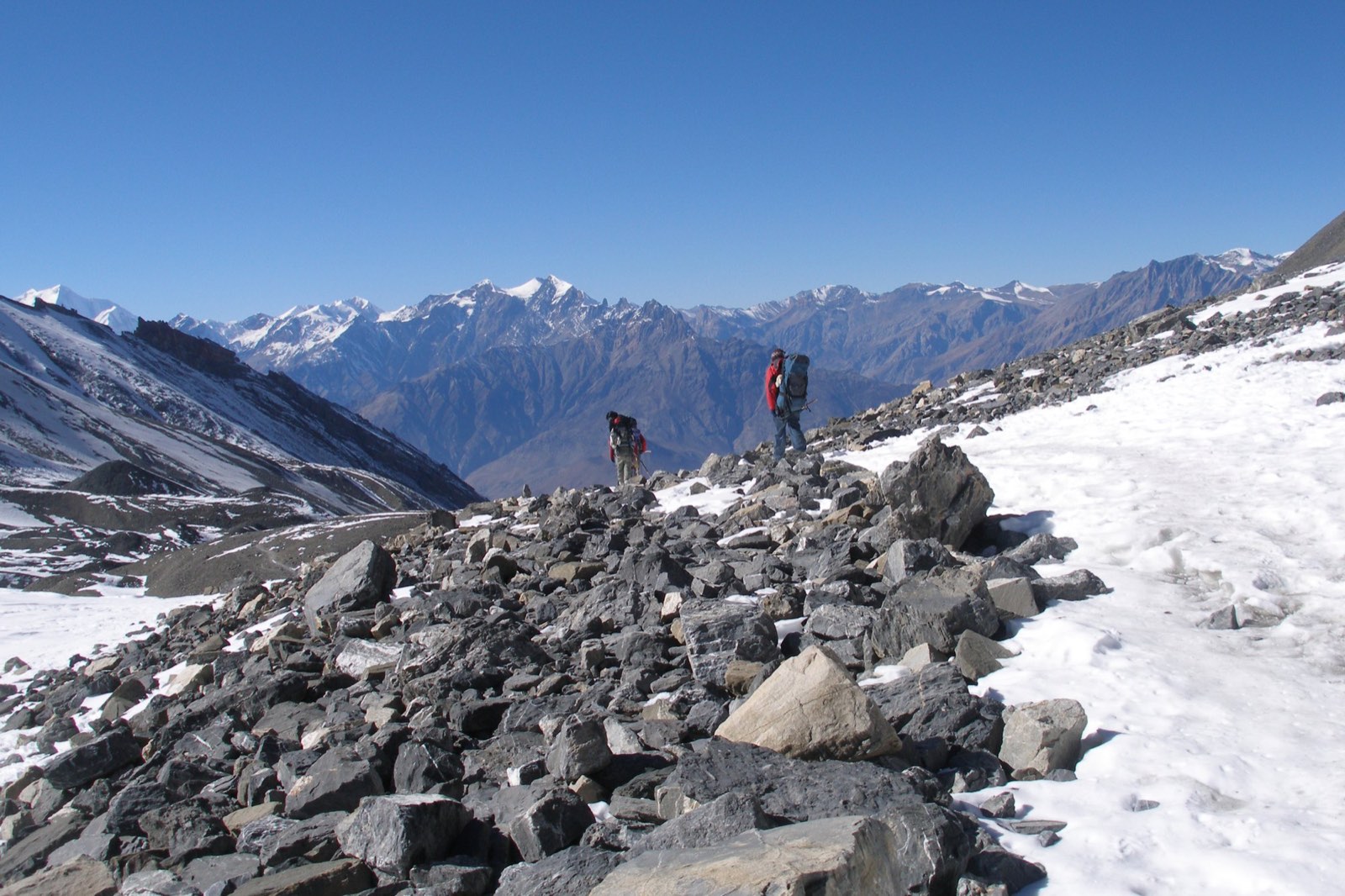
8 days · 5,416 m

Annapurna Circuit

The longest day is day 8: Thorong Phedi to Muktinath (via Thorong La); 966 m up, 1,656 m down over 15 km; 8 to 10 h, high point 5,416 m.

See the stage profile
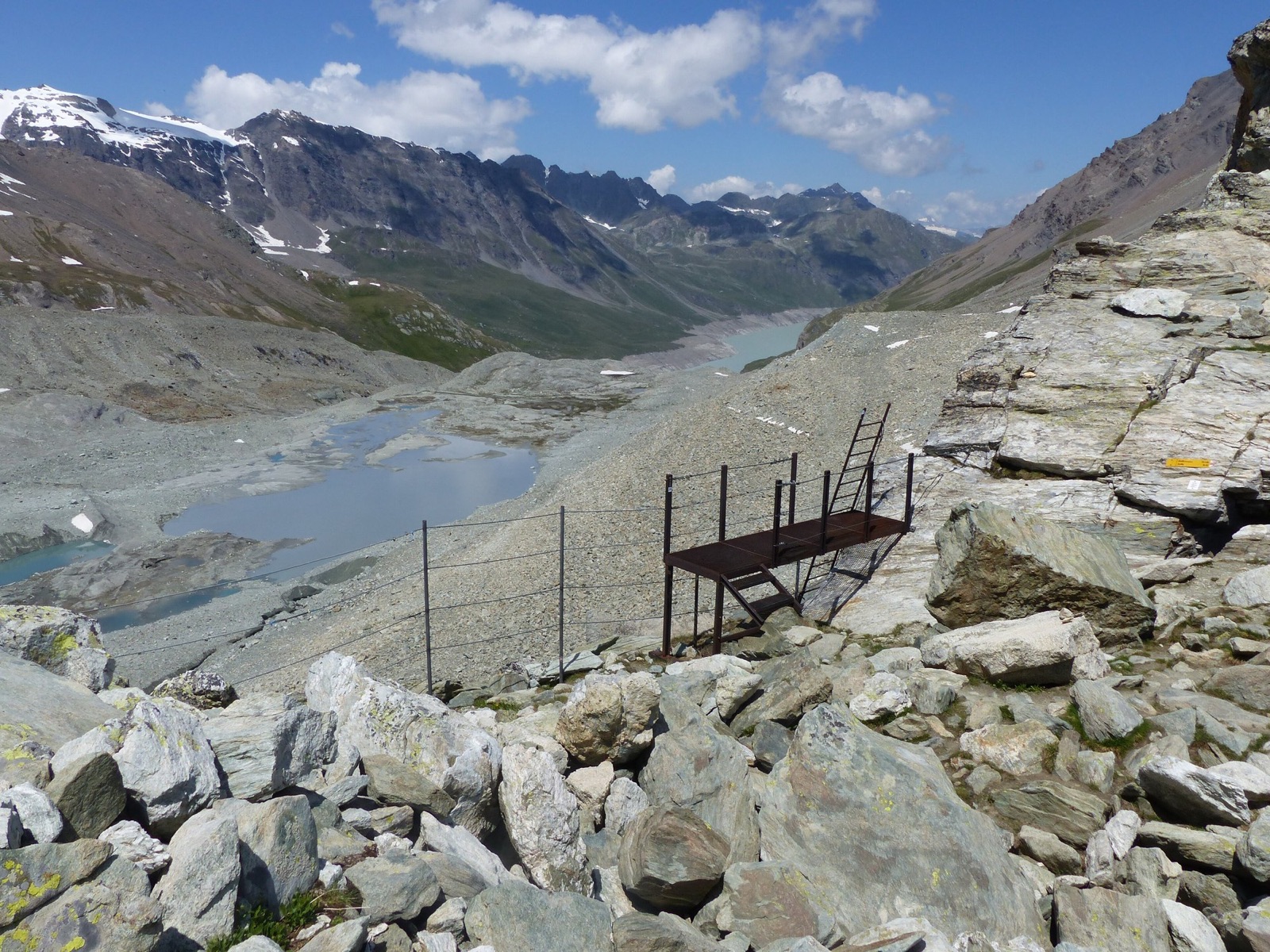
14 stages · 2,987 m

Walker's Haute Route

The longest day is day 3: Trient to Champex-Lac (via Fenetre d'Arpette); 1,370 m up, 1,190 m down over 15.3 km; 7 to 8 h, high point 2,665 m.

See the stage profile

Ready to see where you stand?

Booked a trek? See where you stand.

Start free for 14 days → Join the waiting list → See plans What opens in the app